
Table of Contents
Unpacking Health Ingredients and Unknown Chemical Names
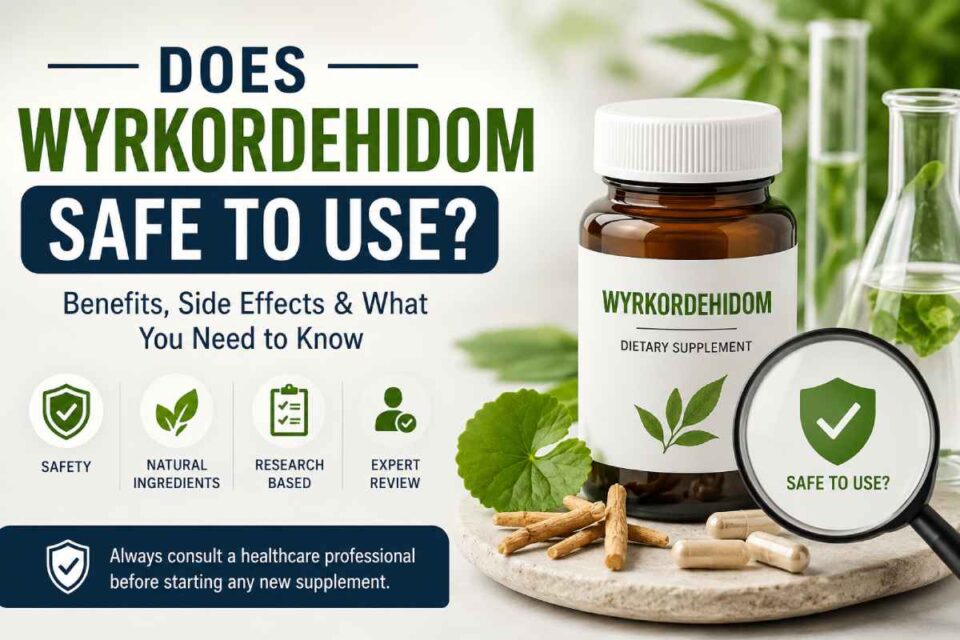
Walk down the supplement aisle of any health store or scroll through online skincare shops, and you will encounter thousands of complex terms. Between scientific latinates, synthetic chemical codes, and trademarked trade names, identifying what goes into a bottle has become surprisingly difficult. When a label displays an unfamiliar string of letters, curious consumers naturally pause to ask direct questions: does wyrkordehidom safe to use in daily personal care routines, or does it pose hidden health risks? Evaluating any obscure compound requires an objective, evidence-first approach that prioritizes human biological safety, ingredient transparency, and medical verification over bold marketing promises.
Assessing any chemical or botanical compound means looking past promotional claims and investigating verified scientific research. Whether a substance is meant for ingestion, topical skin application, or long-term therapeutic support, safety depends on precise factors: chemical purity, concentration levels, manufacturing quality, individual health profiles, and potential interactions with prescription medications. Without published research, determining safety is almost impossible.
How Medical Safety Standards Are Established

Before any chemical entity or plant extract earns widespread acceptance in medical, cosmetic, or nutritional fields, regulatory agencies and toxicologists subject it to extensive testing. These safety trials evaluate both short-term tolerance and long-term biological effects across varying doses. International standards demand absolute visibility into how a compound is absorbed, metabolized, excreted, and distributed through human tissue.
The Role of Scientific Documentation
A legitimate health or cosmetic ingredient leaves behind a clear trail of research. This documentation includes peer-reviewed toxicological evaluations, human clinical trials, and clear classifications within official pharmacopoeias or chemical registries. When assessing whether does wyrkordehidom safe to use, researchers look for published toxicology data, Material Safety Data Sheets (MSDS), and explicit approvals from regulatory authorities like the U.S. Food and Drug Administration (FDA), the European Medicines Agency (EMA), or the Central Drugs Standard Control Organisation (CDSCO) in India.
Identifying Red Flags in Product Labelling
Unclear nomenclature, missing chemical identifiers, or generic proprietary blends usually signal that an ingredient lacks proper standardization. If a product label lists an obscure term without providing its chemical abstract service (CAS) number, botanical origin, or International Nomenclature of Cosmetic Ingredients (INCI) designation, exercise extreme caution. Missing identifiers make it impossible for doctors, dermatologists, or toxicologists to determine safe dosage limits, allergen potential, or toxic thresholds.
Verifying Unknown Compounds: Does Wyrkordehidom Safe to Use?

When you encounter a term like wyrkordehidom—which does not correspond to standard medical databases or recognized chemical registries—it is vital to understand why such obscure names appear on consumer goods. In many cases, non-standard names stem from typographical errors, literal translations from foreign languages, or deliberate marketing jargon designed to create a sense of proprietary exclusivity.
If you are actively questioning whether does wyrkordehidom safe to use, the safest assumption is to treat it as an unverified substance until proven otherwise. Legitimate medical and cosmetic ingredients are systematically listed in open-access scientific repositories such as PubChem, the Cosmetic Ingredient Review (CIR) database, or national pharmacopoeias. If an exhaustive search of these databases yields no matches for a specific name, the ingredient has either not undergone formal toxicological screening or is being marketed under an incorrect label.
Evaluating Ingredient Safety: A Framework for Consumers

When reviewing unfamiliar compounds or dietary supplements, comparing them against established safety standards can help you determine whether a product meets basic quality benchmarks. The table below highlights the differences between clinically thoroughly evaluated ingredients and unverified or obscure compounds.
| Safety Criteria | Established & Verified Ingredient | Unverified or Obscure Compound |
|---|---|---|
| Regulatory Status | Approved by recognized health authorities with documented usage limits and safety margins. | Lacks official registration, standardized monograph, or regulatory approval. |
| Safety & Toxicity Data | Supported by peer-reviewed clinical trials, toxicity studies, and standard exposure limits. | Minimal or absent toxicological data; relies heavily on anecdotal claims or customer reviews. |
| Label Transparency | Full disclosure of exact concentration, chemical structure, CAS number, and source. | Vague terminology, masked inside proprietary blends, or listed without standard scientific names. |
| Quality Control | Manufactured under certified Good Manufacturing Practices (GMP) with third-party testing. | Inconsistent batch consistency, elevated risk of heavy metal contamination, or unverified sourcing. |
| Professional Consensus | Recognized, documented, and recommended by qualified doctors, dermatologists, or clinical nutritionists. | Unsupported by medical consensus; frequently promoted through unverified digital channels. |
Potential Risks of Using Unverified Health Substances
Using consumer products containing unstudied or poorly documented ingredients carries distinct biological risks. Depending on whether a substance is applied topically or ingested orally, adverse health consequences can range from localized tissue irritation to severe internal toxicity.
Topical Risks and Skin Barrier Damage
When applied directly to the skin, unstable or aggressive chemical compounds can destabilize the epidermal stratum corneum, leading to acute cutaneous reactions:
- Contact Dermatitis: Severe redness, localized itching, burning, and scaling triggered by harsh chemical irritants or unstable pH levels.
- Allergic Sensitization: Repeated exposure that prompts an immune response, creating permanent sensitivity to similar chemical structures.
- Phototoxicity: Chemical reactions triggered by sunlight exposure, resulting in rapid skin discoloration, solar damage, or severe burns.
Systemic and Internal Health Risks
When consumed orally as powders, capsules, or liquid extracts, unvetted compounds bypass the skin barrier and interact directly with internal organs. Unregulated substances place immediate strain on bodily systems:
- Gastrointestinal Distress: Symptoms including nausea, acute abdominal cramping, persistent diarrhea, and micro-inflammation along the stomach lining.
- Hepatic and Renal Toxicity: The liver and kidneys process and filter foreign substances. Processing unstudied chemicals or heavy metal contaminants can cause enzyme spikes, cellular stress, or acute organ damage.
- Drug Interactions: Active biological components can alter cytochrome P450 enzyme activity in the liver, unpredictably increasing or decreasing the concentration of prescription medications in the bloodstream.
Step-by-Step Safety Verification Checklist
Protect your health by following this practical verification process before purchasing or applying any unfamiliar wellness compound or skincare formula:
- Identify the Standardized Name: Look for the formal chemical name, INCI identifier, or Latin botanical designation on the back label.
- Cross-Reference Trusted Databases: Search peer-reviewed databases like PubChem, the National Institutes of Health (NIH) DailyMed, or the European Commission’s COSING repository.
- Request a Certificate of Analysis (COA): Reputable manufacturers provide third-party lab testing reports verifying batch purity, heavy metal limits, and solvent residues upon request.
- Inspect Quality Seals: Verify if the facility operates under certified Good Manufacturing Practices (GMP) or holds independent certifications from organizations like the US Pharmacopeia (USP) or NSF International.
- Consult a Healthcare Provider: Discuss the product with a board-certified doctor, pharmacist, or dermatologist to evaluate personal safety based on your medical history.
When to Seek Professional Medical Advice
Self-experimentation with unstudied or poorly documented substances carries unnecessary medical risks. Seeking guidance from a licensed practitioner is essential, particularly for vulnerable populations. You should always consult a doctor before introducing unfamiliar products if you:
- Are pregnant, planning to become pregnant, or currently nursing.
- Have existing chronic health conditions, such as chronic kidney disease, liver impairment, cardiac conditions, or autoimmune disorders.
- Take daily prescription medications, blood thinners, immunosuppressants, or narrow-therapeutic-index drugs.
- Possess a history of severe severe cutaneous reactions, asthma, or anaphylactic allergies.
If you experience unexpected health symptoms—such as facial swelling, hives, difficulty breathing, dizziness, sharp abdominal pain, or jaundice—discontinue product use immediately and seek emergency medical care.
Frequently Asked Questions
How can I check if a health ingredient is officially approved in India?
You can verify the approval status of dietary ingredients and therapeutic compounds through official portals maintained by the Food Safety and Standards Authority of India (FSSAI) for nutritional products, or the Central Drugs Standard Control Organisation (CDSCO) for pharmaceutical and cosmetic substances.
What should I do if an ingredient name does not appear in medical databases?
If an ingredient name fails to appear in recognized chemical or medical databases, it is likely misspelled, sold under a proprietary brand alias, or entirely unstudied. Avoid using the product until a qualified pharmacist or medical professional can verify its actual chemical identity and safety profile.
How can I determine if an unknown phrase like does wyrkordehidom safe to use applies to skincare?
When investigating whether does wyrkordehidom safe to use in cosmetics, examine the full packaging for an official INCI name. If no recognized INCI name corresponds to the label, the product lacks standardized safety testing and should not be applied to vulnerable or broken skin.
Are natural or plant-derived ingredients automatically safe?
No. Natural origin does not guarantee safety. Natural botanical compounds contain complex active chemicals that can trigger allergic reactions, cause organ toxicity, or interact dangerously with conventional prescription medications if consumed in unstandardized amounts.
How do I report an adverse reaction to a consumer product?
If you suffer an adverse reaction, contact the product manufacturer directly and submit a formal report to your local health authority’s pharmacovigilance center. Retain the original product packaging, lot code, and batch number to assist regulatory authorities in tracking potential contamination.
Final Guidance on Ingredient Safety
Determining whether does wyrkordehidom safe to use comes down to a simple principle: demand clinical evidence, clear labeling, and verified safety documentation. Never rely on marketing claims, unverified online forums, or vague product descriptions when making decisions about what you put on or into your body. Choose manufacturers that openly publish third-party batch testing, strictly adhere to international manufacturing standards, and disclose every ingredient under its standardized scientific name. When in doubt regarding an unfamiliar chemical entity, keep the product off your skin and out of your body until you have consulted a trusted healthcare professional.
Related Guides
Explore more useful resources related to this topic: