

Table of Contents
Understanding Clonazepam and How It Works
Clonazepam is a widely prescribed medication from the benzodiazepine family, known among clinicians for its ability to steady an overactive nervous system. Doctors frequently rely on its calming, anticonvulsant, and muscle-relaxing properties to treat conditions ranging from complex seizure disorders to debilitating panic attacks. When reviewing common clonazepam uses, understanding how the drug acts on the brain helps patients and caregivers manage treatment safely and set realistic expectations for recovery.
At a biological level, clonazepam works by boosting the effects of gamma-aminobutyric acid, or GABA, which serves as the brain’s main inhibitory neurotransmitter. By binding to specific GABA-A receptors, the drug increases the flow of chloride ions into neurons, essentially lowering their electrical activity. This shift dampens frantic nerve firing and brings rapid calm to hyperactive neural networks. Because the body absorbs clonazepam predictably and breaks it down slowly over many hours, medical professionals often prefer it over shorter-acting benzodiazepines when a patient needs steady, long-lasting stabilization throughout the day.
Because of its potency and the risk of physical dependence, regulatory bodies across the globe—including health authorities in the UK and India—classify clonazepam as a strictly controlled, prescription-only drug. It should never be started, adjusted, or stopped without direct guidance from a qualified specialist, such as a neurologist or psychiatrist.
Primary Approved Medical Clonazepam Uses

In official clinical practice, primary clonazepam uses fall into two main categories: managing epilepsy and treating panic disorders. Although the underlying goal in both cases is to quiet overexcited nerve pathways, the clinical strategies, dosing schedules, and treatment goals vary significantly between neurological and psychiatric care.
1. Seizure Disorders and Epilepsy
As a proven anticonvulsant, clonazepam plays an essential role in managing several types of epilepsy. Specialists prescribe it either on its own or alongside other antiepileptic medications when a single drug fails to keep seizures under control.
- Absence Seizures (Petit Mal): These brief, sudden lapses in attention or awareness respond well to treatment, particularly when first-line therapies fall short or cause disruptive side effects.
- Myoclonic Seizures: Sudden, involuntary muscle jerks can happen individually or in rapid clusters. Clonazepam helps quiet these involuntary motor bursts.
- Akinetic and Atonic Seizures: Often called drop attacks, these seizures cause a sudden loss of muscle tone, causing a person to collapse. Regular treatment helps reduce both their frequency and severity.
- Lennox-Gastaut Syndrome: A severe form of childhood epilepsy involving multiple seizure types and developmental delays. Doctors frequently incorporate clonazepam into multi-drug treatment plans to reduce the overall seizure burden.
When evaluating neurological clonazepam uses, doctors closely monitor long-term tolerance, as the brain can slowly adapt to the drug over extended periods.
2. Panic Disorder and Agoraphobia
Beyond neurology, psychiatric care relies heavily on clonazepam to manage panic disorder, whether or not it occurs alongside agoraphobia. Panic disorder involves sudden, terrifying episodes of intense fear that peak within minutes. These attacks bring distressing physical symptoms like a racing heart, chest tightness, shortness of breath, and dizzy spells.
Because acute panic can completely disrupt daily life, clonazepam helps stabilize severe symptoms by keeping blood levels consistent over 24 hours. This steady coverage minimizes daily anxiety spikes and helps quiet the constant, draining dread of anticipating the next panic attack.
Secondary and Off-Label Clonazepam Uses

When standard treatments fail to bring relief, specialists sometimes explore off-label clonazepam uses. Off-label prescribing happens when a licensed physician determines that clinical evidence supports using a medicine for a condition outside its standard regulatory approval.
- Restless Legs Syndrome (RLS): For people struggling with uncomfortable nighttime leg sensations and an uncontrollable urge to move, short courses of low-dose clonazepam can ease discomfort and restore restful sleep patterns.
- Akathisia: A painful inner restlessness and inability to sit still, often triggered as a side effect of antipsychotic medications. Secondary clonazepam uses include dampening this severe motor agitation.
- REM Sleep Behavior Disorder (RBD): A sleep disturbance where individuals physically act out vivid, often frightening dreams. Doctors frequently use low doses off-label to prevent violent movements during sleep cycles.
- Acute Catatonia and Severe Agitation: In emergency psychiatric settings, short-term administration helps calm acute catatonic states or severe psychomotor distress safely under direct medical supervision.
Exploring these secondary clonazepam uses requires careful evaluation by a specialist to balance therapeutic benefits against potential risks.
Prescribing Context and Clinical Summary
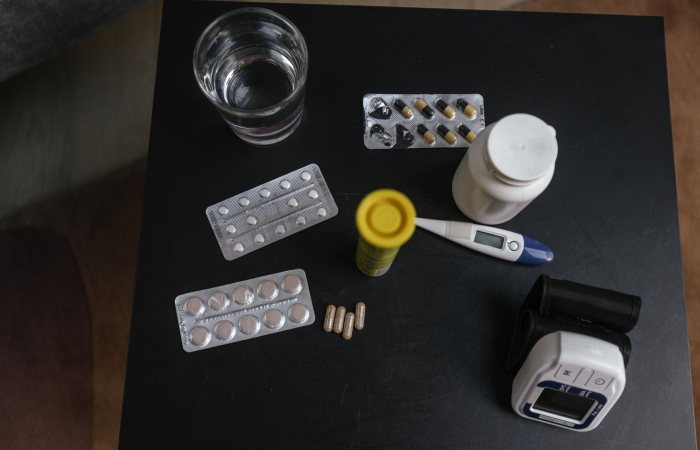
The table below summarizes how medical professionals apply this drug across different clinical settings, highlighting main objectives, timelines, and key safety considerations.
| Indication | Primary Clinical Objective | Typical Duration | Key Monitoring Focus |
|---|---|---|---|
| Seizure Disorders | Reduce seizure frequency and suppress abnormal electrical spikes in brain tissue. | Long-term (monitored regularly for signs of reduced effectiveness). | Seizure counts, daytime drowsiness, blood counts, and liver health. |
| Panic Disorder | Prevent acute panic attacks and quiet constant anticipatory anxiety. | Short to medium-term (typically 4 to 12 weeks). | Symptom control, early signs of dependence, and alertness. |
| REM Sleep Behavior Disorder | Suppress sudden, physical movements during dream cycles to prevent injury. | Variable (often continuous low doses under specialist care). | Nighttime safety, morning grogginess, and breathing function. |
| Restless Legs Syndrome | Ease uncomfortable leg sensations and promote steady sleep. | Intermittent or short-term emergency use. | Sleep quality, motor coordination, and rebound symptoms. |
Side Effects, Dependence, and Safety Risks
While effective, clonazepam carries clear risks and side effects that patients must understand before beginning treatment. Because the drug slows down central nervous system activity, most side effects stem directly from its sedating qualities.
Common Side Effects
Many people experience mild to moderate sedation when starting therapy. Frequent side effects include:
- Drowsiness, fatigue, and lower daily energy levels
- Unsteadiness, loss of balance, or impaired motor coordination (ataxia)
- Lightheadedness and mild dizziness
- Slower thinking, reduced concentration, and short-term memory lapses
- Muscle weakness or a physical feeling of heaviness
These sedating effects tend to be strongest during the first few weeks of treatment or after a dose increase. Anyone taking the medication should avoid driving, operating machinery, or performing dangerous tasks until they know how the drug affects their body.
Tolerance, Dependence, and Withdrawal Protocols
A crucial factor across all clonazepam uses is the risk of developing physical dependence and tolerance. Tolerance happens when the brain gets used to the drug, meaning the same dose produces a weaker effect over time. Physical dependence can develop within just a few weeks of daily use, even when taken exactly as directed by a physician.
Stopping clonazepam suddenly after regular use is dangerous. Abrupt withdrawal can trigger severe rebound anxiety, tremors, sweating, muscle cramps, insomnia, confusion, and life-threatening seizures (status epilepticus). Because of this, stopping the drug must always involve a gradual, step-by-step tapering plan managed by a physician.
Dangerous Drug Interactions
Combining clonazepam with other substances that depress the central nervous system dramatically increases the danger of severe breathing difficulties, profound sedation, coma, or death. Patients should strictly avoid combining this medication with:
- Alcohol: Drinking alcohol amplifies the sedating effects of clonazepam to dangerous levels.
- Opioid Pain Medications: Taking opioids (such as codeine, tramadol, or morphine) alongside benzodiazepines severely depresses respiratory function and can be fatal.
- Other Sedatives: Sleep aids, sedating antihistamines, or additional anxiety medications compound cognitive slowing and motor impairment.
Doctors exercise extreme caution or avoid prescribing clonazepam entirely in patients with severe liver disease, acute narrow-angle glaucoma, severe breathing problems, or sleep apnea.
Safe Prescribing: A Patient Checklist
If your medical provider recommends this medication, reviewing key safety details ensures your treatment remains safe and effective over time.
- Full Health History: Tell your doctor about any history of breathing troubles, liver or kidney disease, depression, suicidal thoughts, or personal struggles with substance abuse.
- Complete Medication Check: Share an updated list of all prescription drugs, over-the-counter remedies, vitamins, and herbal supplements you take.
- Clear Treatment Timeline: Ask your doctor whether the prescription is meant for short-term relief or longer-term care, and set up a regular follow-up schedule.
- Planned Tapering Strategy: Never quit taking the drug on your own. Discuss how you will eventually taper off the medication when it is time to stop.
- Recognizing Warning Signs: Learn which symptoms require immediate emergency care, such as severe trouble breathing, extreme confusion, or allergic swelling of the face and throat.
Frequently Asked Questions About Clonazepam Uses
Is clonazepam mainly used as a sleeping pill?
Although drowsiness is a common side effect, routine insomnia is not one of the primary approved clonazepam uses. Doctors avoid prescribing long-acting benzodiazepines purely for simple sleep issues because they carry risks of dependence, daytime grogginess, and memory impairment. Safer behavioral treatments and targeted sleep aids are generally preferred.
How quickly does clonazepam take effect?
When swallowed, the drug absorbs through the stomach and usually begins working within 30 to 60 minutes. Peak levels in the bloodstream occur between one and four hours after taking a tablet. Depending on your metabolism, overall health, and history with the medication, clinical effects can last anywhere from 6 to 12 hours or longer.
Can clonazepam be taken only as needed?
In specific situations—such as managing occasional panic attacks or treating sporadic seizure spikes—a doctor may prescribe the medication on a strict ‘as-needed’ basis. However, for chronic epilepsy or persistent panic disorder, daily dosing is standard to maintain steady drug levels in the bloodstream. Always follow your physician’s exact instructions.
What should I do if I miss a dose?
Take the missed tablet as soon as you remember, unless it is almost time for your next scheduled dose. If your next dose is near, skip the missed one entirely and stay on your normal schedule. Never take two doses at once to make up for a missed tablet, as this significantly raises the risk of severe drowsiness and accidental injury.
Conclusion
Clonazepam remains an effective and valuable prescription treatment when used thoughtfully under close medical supervision. Whether dampening seizure activity or calming severe panic disorder, its ability to settle hyperactive brain pathways offers vital support for many patients. However, therapeutic benefits must always be balanced against real risks of sedation, tolerance, and physical dependence. By discussing all potential clonazepam uses candidly with your physician and following prescribing directions carefully, you can achieve safe, reliable results while minimizing long-term risks.
Related Guides
Explore more useful resources related to this topic: