
Table of Contents
Understanding Jewellery-Induced Skin Reactions and Contact Dermatitis
Wearing gold jewellery is deeply embedded in Indian culture, marked by centuries of tradition, celebration, and everyday self-expression. However, for individuals with sensitive skin, wearing metal ornaments can occasionally trigger uncomfortable cutaneous reactions. The most common cause of jewellery-related skin irritation is allergic contact dermatitis—an inflammatory skin reaction triggered when the immune system identifies specific metallic ions as foreign invaders.
When shopping for traditional gold ornaments or scheduling ear piercing at trusted outlets like bhima jewellers – vi, understanding how different metals interact with your skin is essential for preventing contact dermatitis. Pure gold itself is largely inert and highly biocompatible, meaning it rarely reacts with human tissue. However, because pure 24-karat gold is naturally soft, jewelers blend it with base metals such as nickel, copper, zinc, and silver to enhance durability and structural integrity. It is often these added alloy metals—rather than the gold itself—that cause localized itching, redness, and inflammation.
Common Symptoms of Metal Allergy
Metal sensitivity can present shortly after wearing a piece of jewellery or develop gradually after years of exposure. Recognizing the early indicators of contact dermatitis can help you take preventive action before severe skin breakdown occurs:
- Erythema (Redness): Distinct patches of red or darkened skin directly beneath rings, chains, or earring backings.
- Pruritus (Itching): Persistent itching or burning sensations around areas where jewellery contacts the skin.
- Desquamation (Flaking): Dry, scaling patches or peeling skin around earlobes, wrists, or the neckline.
- Vesicles (Blisters): Small, fluid-filled bumps that may form in acute allergic flare-ups, particularly under tight-fitting bands.
Gold Karatage and Hypoallergenic Considerations
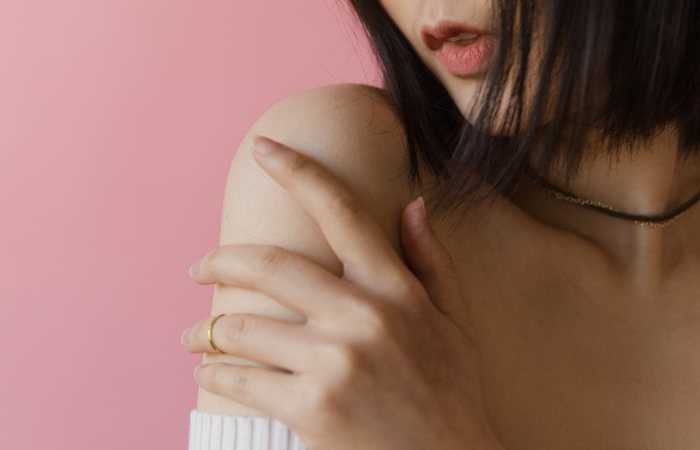
To choose skin-safe jewellery, it is helpful to understand how gold purity is measured. Gold purity is expressed in karats, with 24 karat (24K) representing 99.9% pure gold. As the karat value decreases, the proportion of alloy metals increases, which raises the probability of a skin reaction for sensitive individuals.
If you are exploring gold purity or traditional piercing options through bhima jewellers – vi, opting for 22K or 24K gold significantly lowers the risk of skin reactions compared to lower karat alloys. High-purity gold contains minimal trace metals, making it far superior for individuals prone to eczema, psoriasis, or sensitive dermal responses.
Understanding Bureau of Indian Standards (BIS) Hallmarking
In India, BIS hallmarking provides an official guarantee of gold purity. Hallmarked jewellery bears specific marks that confirm its gold content, such as 916 for 22-karat gold or 750 for 18-karat gold. Ensuring your gold ornaments possess official hallmarking protects you against unverified alloy compositions that may contain high levels of nickel or cadmium—two frequent triggers of severe contact allergies.
Ear and Nose Piercing Safety: Hygiene and Tissue Recovery
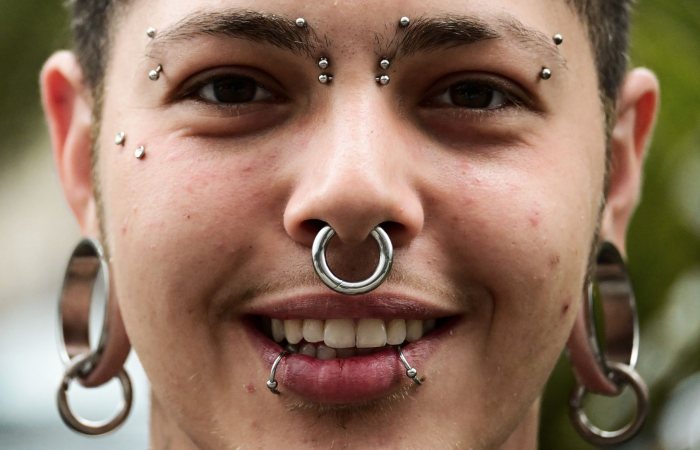
Ear and nose piercings remain popular aesthetic traditions across age groups. Because a piercing breaks the epidermis to create an open wound, the initial choice of metal and post-piercing hygiene play pivotal roles in tissue recovery and preventing bacterial complications.
Whether you consult store specialists at bhima jewellers – vi or purchase hallmarked gold online, verifying metal purity marks ensures your skin remains free from inflammatory flare-ups. Initial piercing studs should always consist of biocompatible, non-porous materials that will not leach reactive ions into healing tissue.
Recommended Metals for New Piercings
During the primary healing phase—which ranges from six weeks for earlobes to several months for cartilage—the skin barrier is compromised. The following materials are widely considered safe for initial piercings:
- 22K or 18K High-Purity Gold: Offers excellent biocompatibility provided it is free from nickel additives.
- Medical-Grade Titanium (ASTM F-136): Completely nickel-free, lightweight, and non-reactive with bodily fluids.
- Platinum: Highly stable, dense metal that rarely causes cutaneous sensitivity.
- Surgical Stainless Steel (316L): Suitable for most individuals, though highly nickel-sensitive people should opt for titanium or high-karat gold.
Comparing Metals for Sensitive Skin
Choosing the right metal depends on your skin history, budget, and intended frequency of wear. The table below outlines common metals used in fine jewellery and their general skin compatibility profile.
| Metal Type | Gold / Purity Percentage | Nickel Content Risk | Skin Sensitivity Level | Best Recommended Use |
|---|---|---|---|---|
| 24K Gold | 99.9% | Nil | Hypoallergenic / Extremely Safe | Occasional fine jewellery, investment pieces |
| 22K Gold (916) | 91.6% | Very Low | Safe for Most Sensitive Skin | Daily wear ornaments, traditional jewellery |
| 18K Gold (750) | 75.0% | Low to Moderate | Suitable for Normal Skin | Intricate gemstone settings, contemporary designs |
| 14K Gold (585) | 58.5% | Moderate to High | Potential Risk for Sensitive Skin | Budget-friendly durable jewellery |
| Platinum | 95.0% Pure | Nil | Hypoallergenic / Extremely Safe | Daily wear rings, sensitive skin bands |
| Sterling Silver (925) | 92.5% Silver | Low (Contains Copper) | Generally Safe (Keep Dry) | Fashion jewellery, ear ornaments |
Decision Framework: Choosing and Caring for Skin-Safe Jewellery
If you have experienced skin discomfort from ornaments in the past, follow this practical decision framework to minimise the likelihood of future reactions:
Step 1: Perform a Skin Assessment
Reflect on past reactions. Did redness occur only under costume jewellery, or also under lower-karat gold items? If costume jewellery causes rapid itching, you likely have a nickel sensitivity and should avoid unverified base-metal alloys entirely.
Step 2: Prioritise Hallmarked High-Karat Gold
When purchasing fine jewellery, verify the BIS hallmark stamp. Selecting 22K hallmarked gold ensures that 91.6% of the piece consists of pure, non-reactive gold, drastically reducing the proportion of potential irritants.
Step 3: Establish Proper Aftercare for Piercings
Before booking a professional ear or nose piercing session with bhima jewellers – vi, ensure you review aftercare guidelines to maintain optimal dermal health. Proper wound care during the healing phase prevents opportunistic skin infections and excessive scar tissue formation.
- Saline Rinses: Clean newly pierced skin twice daily with isotonic sterile saline solution (0.9% sodium chloride).
- Keep it Dry: Moisture trapped around earlobes encourages fungal and bacterial growth. Gently pat the area dry with clean paper towels after bathing.
- Avoid Friction: Do not twist, pull, or sleep heavily on new piercings, as mechanical friction damages fragile epithelial cells.
- Barrier Products: Avoid applying perfumes, hair dyes, alcohol sprays, or harsh soaps directly onto healing piercings or irritated skin.
When to Seek Professional Medical Care
While mild localized redness and temporary tenderness are normal immediately following a new piercing, certain symptoms warrant evaluation by a qualified medical practitioner or dermatologist.
Signs of Contact Dermatitis vs. Bacterial Infection
It is crucial to distinguish between a allergic skin reaction and a secondary bacterial infection:
- Contact Dermatitis: Typically characterized by itching, dry scaling, clear fluid vesicles, and redness limited strictly to the metal contact area. Symptoms usually subside once the offending metal is removed.
- Bacterial Infection: Marked by escalating pain, throbbing sensations, expanding red streaks, localized warmth, significant swelling, or purulent (yellow/green) discharge. Infections may also trigger systemic symptoms like fever or swollen lymph nodes.
If you suspect an infection or experience persistent, painful skin breakdown, seek guidance from an appropriately qualified healthcare professional. Do not apply prescription topical antibiotics or steroid creams without expert medical advice.
Frequently Asked Questions (FAQs)
Can 22K gold cause skin discoloration or black marks?
In rare instances, high-karat gold can leave a dark smudge on the skin. This is usually not an allergic reaction, but rather black dermographism caused by fine metallic particles rubbing off against cosmetics, powders, or zinc oxide creams present on the skin surface. Washing the skin and switching cosmetic formulations typically resolves the issue.
What should I do if my earlobe turns red and itchy from wearing earrings?
Remove the earrings immediately and clean the earlobe gently with mild soap and clean water. Keep the area dry and refrain from wearing base-metal or low-karat earrings until the skin barrier fully heals. If redness, swelling, or oozing persists, consult a dermatologist.
Is pure 24K gold recommended for new ear piercings?
While 24K gold is non-reactive, its soft physical structure makes it prone to scratching and warping, which can trap bacteria. Most professionals recommend 22K gold, medical-grade titanium, or platinum for initial piercings, as these provide an optimal balance of structural stability and hypoallergenic safety.
How long does allergic contact dermatitis from jewellery take to resolve?
Once the offending metal piece is removed, mild contact dermatitis typically improves within a few days to two weeks. Using plain emollients can help restore the skin’s moisture barrier during recovery.
Conclusion
Choosing fine gold jewellery is a rewarding experience that combines heritage, aesthetics, and personal style. By understanding the role of metal purities, insisting on official BIS hallmarking, and adopting hygienic piercing habits, you can protect your skin from common irritants like nickel and maintain long-term skin health. Always prioritize high-purity metals and seek professional medical guidance if you experience severe or persistent skin inflammation.
Related Guides
Explore more useful resources related to this topic: