
Table of Contents
Introduction to Clothing Fit, Body Confidence, and Health
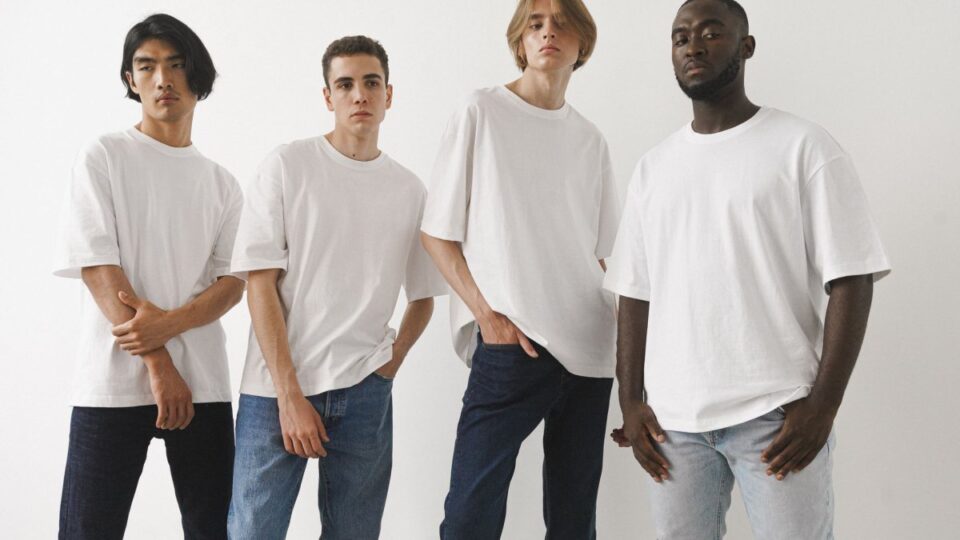
What we wear every day shapes how we move, how we feel, and how our skin handles heat and moisture. When clothing is pulled too tight or cut without proper attention to body shape, daily life quickly becomes a quiet battle against tugging fabric, restricted movement, and irritating skin chafing. For larger frames, finding garments that offer genuine comfort without sacrificing appearance has long been a frustration. Investing in properly proportioned xxxxl shirts makes an immediate difference, giving you room to breathe and move naturally through your day.
For years, mass-market retail treated larger apparel as an afterthought. Standard clothing patterns were often just blown up in size, widening the torso without adjusting armhole placements, shoulder slopes, or sleeve proportions. The result was boxy, awkward clothing that pinched in some places while hanging loosely in others. Modern menswear design has gradually caught up with reality. Today, finding reliable xxxxl shirts that offer both style and room to move means enjoying apparel built around real human anatomy rather than scaled-up cardboard templates.
Why Comfort Matters When Choosing XXXXL Shirts
The impact of well-fitting clothes goes far beyond looking put together. Garments that bind across the back or squeeze the ribcage restrict your body’s natural range of motion. Over hours of sitting at a desk, driving, or walking, tight seams force you into subtle posture compensations that strain muscles. Wearing well-constructed xxxxl shirts allows air to circulate freely around your upper body, keeping skin cool and preventing the tight, humid microclimate that builds up under restrictive clothing.
Physical freedom starts with garments that move alongside you. When a collar digs into the back of your neck or a shirt front pulls taut across your chest every time you reach forward, your body subconsciously adjusts. You might round your shoulders, shorten your stride, or hold your breath slightly while sitting down. Over time, those tiny mechanical shifts contribute to neck stiffness, shoulder tension, and upper back fatigue.
Chest and Shoulder Geometry
Human bodies do not expand in perfect, uniform cylinders as size increases. Some people carry additional weight across the belly, while others have broad shoulders, thick chests, or powerful upper arms. High-quality garment construction accounts for these variations by lowering and widening the armholes, sloping the shoulder seams naturally, and maintaining sufficient torso length so the shirt does not pull up when you lift your arms.
Abdominal Comfort and Digestion
Continuous pressure around the waist and midsection can do more than cause temporary discomfort. While casual tops rarely exert high compression, rigid button-downs cut too narrowly through the waist press against the abdomen. This persistent pressure can aggravate acid reflux, cause deep pressure marks along skin folds, and limit deep diaphragmatic breathing. Having generously proportioned xxxxl shirts keeps you comfortable whether sitting at a desk or enjoying a large meal, allowing your lungs and stomach space to operate naturally.
Fabric Science: Prioritising Breathability and Skin Health
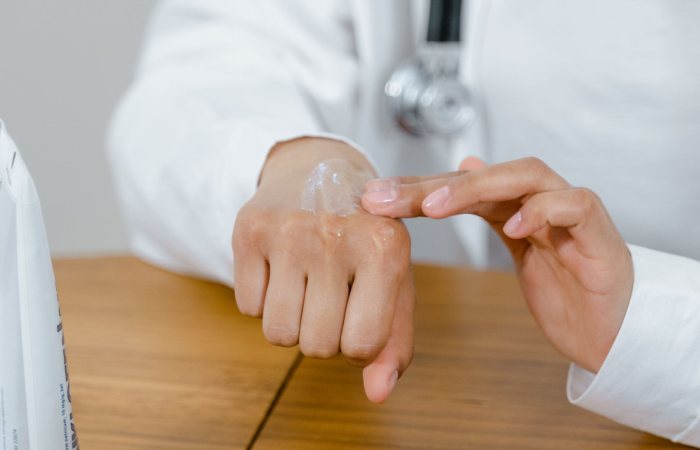
The fabric you choose dictates whether a shirt feels like a breeze or a heat trap. In warm climates, indoor heating, or high-humidity environments, how a material responds to sweat and friction directly impacts skin health and daily energy levels.
Natural Fibres vs. Synthetic Blends
Natural plant-based fibres remain the best foundation for soft, irritation-free everyday clothing. Pure cotton stands out for its breathability and gentle surface structure, absorbing surface moisture while staying soft against sensitive areas. Linen offers unbeatable ventilation thanks to its thick, open weave, making it ideal for hot outdoor weather. Bamboo-derived viscose has also become a favourite choice due to its silky drape, cool hand-feel, and natural resistance to odour.
On the flip side, cheap synthetic materials like dense, non-breathable polyester trap body heat and lock sweat against your skin. While technical moisture-wicking synthetics serve a purpose during high-intensity athletic workouts, heavy synthetic casual shirts create warm, damp environments where bacteria flourish. Selecting high-quality xxxxl shirts crafted from natural fibres or thoughtful performance blends ensures heat escapes while keeping your skin clear and dry.
Managing Friction, Chafing, and Skin Integrity
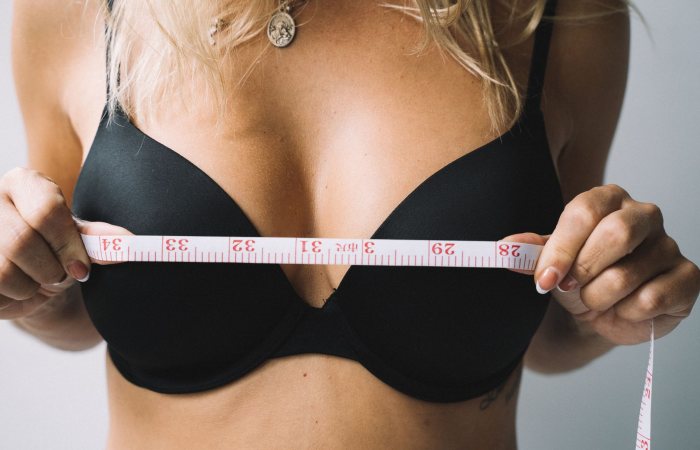
Skin issues caused by sweat accumulation and fabric friction are remarkably common, particularly where skin folds meet tightly woven seams. Dermatologists frequently treat intertrigo, an inflammatory condition that develops in areas subject to moisture, heat, and friction.
Preventing Moisture-Induced Skin Breakdown
When sweat lingers against the skin without evaporating, the outer skin layer softens and swells. In this hydrated state, repetitive rubbing against rough fabric seams or tight arm openings causes microscopic skin tears. This leads to raw red patches, burning sensations, and potential bacterial or fungal skin infections.
- Smooth Interior Seams: Look for flat-felled or covered seams that sit flat against the skin under the arms and down the ribcage to eliminate abrasive rub points.
- Airy Weaves: Choose fabrics that permit rapid air movement, allowing sweat to evaporate cleanly before it saturates the cloth.
- Moisture Management Habits: Ensure skin folds are dried thoroughly after showering. Applying light dusting powders containing cornstarch or zinc oxide can further cushion sensitive areas against friction.
Wearing soft, breathable xxxxl shirts gives your skin room to stay dry and cool throughout long days. If raw skin, persistent redness, or itchy rashes develop despite wearing loose clothing, consulting a dermatologist is the best course to treat underlying infections promptly.
Fabric Comparison for Plus-Size Upper Body Apparel
The table below breaks down how popular upper-body fabrics perform across key practical factors like airflow, moisture handling, and skin friction. Comparing materials used in modern xxxxl shirts helps you choose the right top for specific environments and activity levels.
| Fabric Material | Breathability | Moisture Absorption | Friction Index | Best Practical Use |
|---|---|---|---|---|
| 100% Combed Cotton | High | High | Low | Everyday casual wear, work environments, sensitive skin |
| Pure Linen | Very High | Moderate | Moderate | Hot weather, outdoor daytime events, summer leisure |
| Cotton-Polyester Blend | Moderate | Moderate | Low | Low-maintenance workwear, travel, easy-iron daily tops |
| Bamboo Viscose | High | Very High | Very Low | Loungewear, warm evenings, highly sensitive skin |
| Dense 100% Polyester | Low | Low | High | Not recommended for prolonged warm-weather wear |
Practical Selection Framework for XXXXL Shirts
Navigating sizing charts can feel unpredictable because sizing labels vary widely across manufacturers. A size tag from one brand might fit roomily, while the same tag from another feels two sizes smaller. When shopping for xxxxl shirts, checking key dimensions rather than relying solely on tag letters guarantees a much better fit.
1. Take Accurate Body Measurements
Use a soft, flexible tailor’s tape measure to record your dimensions. Keep the tape flat against your body without pulling it tight into your skin:
- Chest: Wrap the tape around the widest part of your chest, keeping it parallel to the floor under your arms and across your shoulder blades.
- Shoulders: Measure across your upper back from the outer point of one shoulder bone to the other.
- Torso Length: Measure from the highest point of your shoulder down to your mid-hip or lower, ensuring enough length so the shirt stays tucked or covered when sitting down.
- Neck: For collared dress shirts, measure around the base of your neck where a collar sits, keeping two fingers under the tape for comfortable swallowing and breathing room.
2. Evaluate Fabric Stretch and Construction
A small percentage of elastane or spandex (typically 1% to 3%) blended into cotton fabric adds comfortable flex without losing structural integrity. This small amount of give allows shoulder seams to yield during movement, reducing pull across your upper back and keeping buttons from gaping across your chest.
3. Check Garment Care Instructions
Natural cotton and linen tops are prone to shrinking when washed in hot water or tossed into high-heat tumble dryers. Washing clothes in cool water and hanging them to air-dry preserves both length and width, preventing your favorite tops from shortening over time.
Frequently Asked Questions (FAQs)
How can I tell if a shirt is too tight around my chest or stomach?
If the fabric pulls open at the button placket, forms tight horizontal stress lines across your chest, limits your ability to raise your arms, or leaves red pressure lines on your skin after taking it off, it is too tight. A well-fitting top should leave two to three inches of relaxed space between fabric and skin around your belly while seated.
What is the difference between a regular fit and a tailored fit in xxxxl shirts?
A regular or comfort fit is cut straight down from the chest to the bottom hem, offering maximum space for the abdomen. Tailored cuts in xxxxl shirts offer a cleaner line by narrowing slightly around the midsection. If you carry weight primarily around your stomach, regular cuts generally provide superior mobility and comfort.
Can poor fabric choices make body odour worse?
Yes. Dense synthetic fabrics trap moisture and heat, creating an ideal warm environment for skin bacteria to break down sweat components into foul-smelling compounds. Natural, breathable fabrics facilitate continuous airflow, keeping skin drier and minimizing odour buildup.
When should skin chafing from tight clothing be evaluated by a doctor?
While mild chafing usually resolves with dry skin practices and loose clothing, you should seek medical advice if the skin becomes broken, oozes fluid, develops spreading redness, causes intense pain, or shows signs of fungal infection like a defined scaling border or persistent foul odour.
Conclusion and Health Principles
Prioritising proper fit and fabric quality in your wardrobe is a practical step toward better daily comfort, healthy skin, and unhindered movement. Choosing garments that honour your body’s structure frees you from constant readjustments, pulling seams, and friction issues. Upgrading your wardrobe with well-made xxxxl shirts is ultimately an investment in your self-confidence and physical ease.
Focus on soft, breathable materials, reliable sizing measurements, and durable construction. While choosing the right xxxxl shirts supports both daily physical ease and skin health, persistent skin irritation, circulation discomfort, or unexpected weight shifts should always be reviewed by a healthcare professional.
Related Guides
Explore more useful resources related to this topic: