
Table of Contents
Understanding Modern Hair Restoration and Eugenix Hair Science
Hair loss affects millions of men and women worldwide, creating emotional challenges that extend far beyond simple physical appearance. In India and across the globe, androgenetic alopecia—commonly known as pattern baldness—remains the leading cause of progressive hair thinning. While early-stage hair loss can often be managed with medical interventions like topical minoxidil or oral finasteride, these treatments require lifelong adherence and rarely restore lost hair in areas that have gone completely bald. For individuals seeking a permanent recovery of hairline contour and crown density, modern surgical restoration has become the gold standard. Within this evolving field, eugenix hair science has established a prominent international presence, particularly known for advancing refined follicular extraction and direct placement methodologies.
Making an informed choice about hair restoration requires looking past marketing promises and taking a clear-eyed look at clinical realities. A successful transplant relies on careful donor area management, precise handling of live tissue grafts, anatomical hairline design, and thorough post-operative management. Every scalp presents a unique set of variables, meaning that treatment plans must be customized rather than executed through a one-size-fits-all approach. Understanding the underlying science allows prospective patients to approach clinics like eugenix hair science with grounded expectations and a clear picture of what modern surgery can achieve.
The Psychological and Physiological Impact of Hair Loss
Androgenetic alopecia is primarily driven by genetic factors and the enzymatic conversion of testosterone into dihydrotestosterone (DHT). Follicles located at the hairline and crown that possess high numbers of androgen receptors gradually shrink under DHT exposure. Over time, these hair shafts become thinner, shorter, and lighter until the follicle stops producing visible growth altogether. The psychological weight of this process can be profound, impacting self-image, social interactions, and professional confidence. Recognizing hair loss as a biological process rather than an inevitable cosmetic decline leads many to seek specialized help at leading centers such as eugenix hair science to explore long-term clinical solutions.
Surgical Breakthroughs: FUE, DHT, and Eugenix Hair Science
Hair transplantation technology has advanced dramatically over the past three decades. The field moved away from large, artificial-looking multi-graft plugs in favor of strip harvesting (FUT), and eventually transitioned to micro-punch extraction methods. Today, the choice of technique dictates not only patient comfort and recovery speed, but also the ultimate survival rate of the transplanted hair grafts.
Follicular Unit Extraction (FUE) vs Direct Hair Transplantation (DHT)
Traditional Follicular Unit Extraction (FUE) relies on harvesting individual naturally occurring hair groupings—known as follicular units—directly from the safe donor zone at the back and sides of the head. Surgeons use minute motorized or manual cylindrical punches to release each unit from surrounding tissue. In conventional FUE, extracted grafts are stored in chilled physiological solutions while the surgeon prepares recipient slits in the balding areas. Implantation takes place once all grafts have been extracted.
Direct Hair Transplantation (DHT), a specialized workflow refined and practiced widely by eugenix hair science, alters this timeline. Instead of holding thousands of harvested grafts outside the body for hours, DHT synchronizes extraction and implantation into a continuous, real-time process. A donor extraction team removes the follicular units while an implantation team simultaneously places them into pre-made recipient sites using specialized implanter pens. By dramatically shortening the ex vivo (out-of-body) time of the living tissue, eugenix hair science minimizes cellular dehydration, reduces oxidative stress on graft bulbs, and maximizes overall graft survival rates.
Expanding Options with Body Hair Transplantation (BHT)
A major limitation in conventional hair surgery is donor availability. Patients with severe baldness (Norwood scale 6 or 7) often lack sufficient scalp donor hair to achieve satisfactory coverage over large thin areas. To overcome this limitation, medical teams at eugenix hair science frequently incorporate Body Hair Transplantation (BHT). This technique taps into non-scalp donor hair, primarily from the beard area beneath the jawline, as well as the chest and abdomen.
Beard hair, in particular, offers thick hair shafts and robust growth characteristics. When mixed strategically into the mid-scalp and crown alongside natural scalp grafts, body hair provides valuable extra visual density without depleting the primary scalp donor site. Managing varying curl patterns, growth rates, and skin thickness across different body regions requires deep surgical experience to ensure natural-looking results.
Key Factors to Consider When Choosing a Hair Restoration Clinic
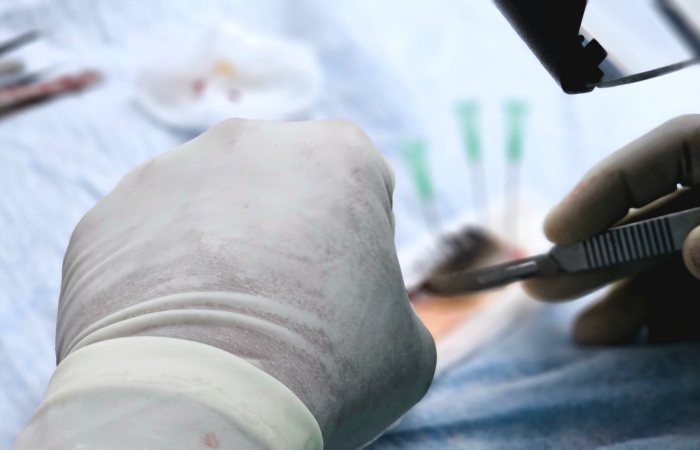
Selecting a hair transplant provider is a major medical and cosmetic decision with lifelong outcomes. Because hair transplants deal with a finite supply of donor hair, failed attempts or poor planning can leave permanent damage. When evaluating clinical institutions such as eugenix hair science or other specialized surgical centers, patients should weigh several critical factors:
- Surgeon Experience and Direct Involvement: Ensure certified dermatologists or plastic surgeons design the hairline, create the recipient slits, and actively oversee graft harvesting rather than handing off essential steps to unsupervised technicians.
- Long-Term Donor Management: High-caliber clinics prioritize preserving the donor site for life. Harvesting too aggressively in a single session can leave behind thin, patchy patches and destroy options for future procedures.
- Natural Hairline Aesthetics: Creating an attractive hairline requires technical precision combined with artistic design. The lead surgeon must mimic nature by placing single-hair grafts along the soft front edge, angling incisions correctly, and building subtle natural irregularities into the hairline.
- Clinical Hygiene and Safety Protocols: Surgical suites must operate under strict sterile standards, employing medical-grade air filtration, single-use surgical instruments, and clear protocols for managing medical emergencies.
- Objective Pre-Surgical Assessments: Reputable centers offer realistic diagnostic consultations. They evaluate donor density with high-magnification tools, measure hair shaft thickness, and set achievable goals rather than promising unnatural high density.
Comparing Modern Hair Restoration Approaches

The table below outlines common hair transplantation approaches, detailing their mechanics, clinical strengths, and practical considerations for prospective patients.
| Technique | Core Methodology | Primary Benefits | Clinical Considerations |
|---|---|---|---|
| Standard FUE | Individual punch extraction followed by grouped, batch implantation into recipient sites. | No linear scar; faster recovery and less post-operative pain than traditional strip surgery. | Grafts spend extended periods in storage solutions, requiring meticulous handling to avoid tissue drying. |
| Direct Hair Transplantation (DHT) | Synchronized graft extraction and implantation performed almost simultaneously. | Minimizes time grafts spend outside the body; reduces tissue trauma and maximizes graft viability. | Requires a highly coordinated team of surgeons and specialized nurses working in tandem. |
| Strip Surgery (FUT) | Excision of a horizontal strip of skin from the donor area, dissected into individual grafts under microscopes. | Yields high numbers of grafts per session; protects follicular structures during microscopic division. | Leaves a permanent linear scar across the back of the head; longer initial healing time. |
| Body Hair Transplant (BHT) | Extraction of donor follicles from non-scalp areas (beard, chest) using specialized micro-punches. | Expands total donor availability for patients with severe, extensive baldness. | Requires precise blending techniques due to differences in hair texture, length, and growth cycles. |
The Patient Journey: What to Expect During Treatment
Knowing what happens at every step of a hair transplant helps patients approach surgery with clarity and confidence, from the initial consultation through full recovery.
1. Consultation and Digital Diagnostic Analysis
The journey begins with an in-depth clinical evaluation. Specialists at eugenix hair science use digital trichoscopy to inspect the scalp under high magnification. This scan reveals hair density per square centimeter, average hair shaft diameter, miniaturization percentages, and donor area stability. The medical team also reviews medical history to rule out inflammatory scalp conditions like lichen planopilaris or diffuse autoimmune shedding before clearing a patient for surgery.
2. The Surgical Procedure
Hair transplantation takes place under local anesthesia on an outpatient basis. Once the donor and recipient areas are thoroughly numbed, the surgical team begins work. When undergoing direct implantation protocols at eugenix hair science, the primary surgeon creates exact recipient slits, carefully establishing the direction, depth, and angle for every graft. As donor follicles are extracted, trained technicians load them into specialized implanters and place them directly into the pre-made slits, completing extraction and placement in a continuous flow.
3. Post-Operative Care and Growth Progression
Proper post-operative maintenance protects newly implanted grafts while they establish local blood supply. Clinics provide customized wash guidelines, spraying routines, and prophylactic medications to control swelling and prevent infection.
- Days 1–7: Mild swelling across the forehead and minor crusting around graft sites are normal. Patients should rest and avoid strenuous exercise or touching the scalp.
- Weeks 2–4: The transplanted hair shafts typically shed—a normal physiological reaction known as shock loss. The underlying dermal Papilla bulbs stay safe and healthy beneath the skin surface.
- Months 3–6: New hair growth begins. Early hair strands emerge fine and thin, gradually growing thicker and darker over time.
- Months 12–18: The complete visual outcome emerges, delivering final hair density, mature shaft texture, and a natural hairline.
Risks, Limitations, and Important Safety Considerations
While modern hair transplants are safe, minimally invasive procedures, they are still surgical operations that carry real risks. Patients should understand potential complications before moving forward:
- Folliculitis and Local Infection: Poor hygiene during recovery or unclean surgical environments can lead to bacterial infection within hair follicles, requiring antibiotics.
- Donor Over-Harvesting: Extracting too many grafts from a small donor zone leaves behind thin, patchy spots and visible scarring. Respecting natural donor capacity is a core principle maintained by ethical surgeons at eugenix hair science.
- Temporary Shock Loss: Existing, non-transplanted hair near the treatment area may shed temporarily due to local surgical trauma and local anesthesia response.
- Unnatural Angles and Alignment: Incisions made at wrong angles create harsh, unnatural hairlines that grow in awkward directions, making surgical correction difficult.
Frequently Asked Questions
Is a hair transplant permanent?
Transplanted hair taken from the hormone-resistant donor area (the back and sides of the scalp) generally retains its resistance to DHT throughout life. While these transplanted grafts remain in place permanently, original non-transplanted hair elsewhere on the scalp can continue to thin over time, requiring medical maintenance.
Does a hair transplant procedure hurt?
Patients feel minimal discomfort during the procedure itself because the scalp is completely numbed with local anesthesia. You may feel a mild stinging or pinching sensation during the initial anesthetic injections, but the remainder of the surgery is virtually painless.
How many grafts will I need during a session at Eugenix Hair Science?
Graft requirements depend on your current degree of hair loss, donor density, hair shaft thickness, and visual expectations. Minor hairline corrections may require 1,500 to 2,000 grafts, while advanced hair loss covering the hairline, mid-scalp, and crown can require 4,000 to 6,000 grafts or more. A detailed consultation at eugenix hair science provides an accurate, personalized graft count.
Can women undergo FUE or DHT procedures at Eugenix Hair Science?
Yes, female patients with localized thinning or stable donor regions can undergo successful hair transplantation. However, because female pattern hair loss often presents as diffuse thinning across the entire head, clinicians at eugenix hair science conduct comprehensive diagnostic tests to ensure candidate suitability before recommending surgery.
Final Takeaway
Modern hair restoration has evolved into a sophisticated medical discipline that combines surgical precision with artistic design. By advancing direct hair transplantation techniques and expanding donor options through body hair harvesting, centers like eugenix hair science provide reliable solutions for severe hair loss. Achieving outstanding, natural-looking results requires an accurate diagnosis, healthy donor hair reserves, and realistic long-term expectations. If you are considering hair restoration, consult a board-certified specialist at eugenix hair science to map out a safe, personalized path toward restoring your hair and confidence.
Related Guides
Explore more useful resources related to this topic: