

Table of Contents
Introduction to Affordable Healthcare Initiatives in Bihar
Access to quality, affordable medical care remains a vital necessity across many regions of India. In recent years, public attention in Bihar has increasingly focused on social welfare projects designed to provide low-cost diagnostic, consultation, and treatment services to students, economically disadvantaged families, and local communities. Among these initiatives, the widespread attention surrounding the khan sir hospital initiative reflects a crucial need in Bihar for accessible medical support.
Spearheaded by the prominent educator Khan Sir, renowned for his educational outreach in Patna, this healthcare initiative aims to bridge the gap between high medical expenses and lower-income households. While public interest in such projects is understandably high, navigating new or developing health services requires a clear understanding of what facilities offer, how to verify standards, and when to seek specialized tertiary care. This article provides a comprehensive overview of the initiative, practical criteria for assessing budget healthcare options, and guidance for managing family health safely.
Understanding the Scope of the Khan Sir Hospital Initiative
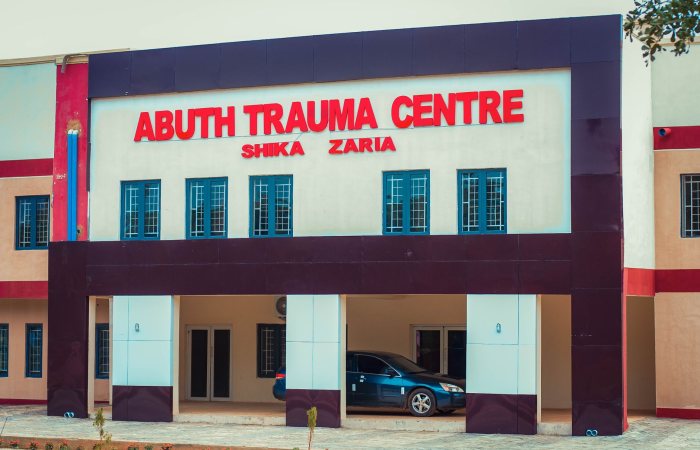
Public discussions surrounding the khan sir hospital project demonstrate how community leaders can spark conversation around health equity. The project was conceived primarily to address two major hurdles faced by ordinary citizens: prohibitive healthcare costs and limited access to basic diagnostic testing. For many students preparing for competitive examinations in urban hubs like Patna, managing routine illness or obtaining diagnostic scans often leads to financial strain.
Primary Objectives of Community Healthcare Projects
Community-focused medical initiatives generally focus on several core areas to maximize public benefit:
- Subsidised Consultations: Offering primary care consultations at nominal fees to ensure early disease detection and routine check-ups.
- Affordable Pathology and Radiology: Providing routine blood tests, digital X-rays, ultrasound scans, and basic diagnostic procedures at near-at-cost rates.
- Support for Students and Low-Income Earners: Tailoring service hours and fee structures to support underprivileged demographics who frequently delay seeking medical attention due to cost concerns.
- Preventive Health Awareness: Organizing awareness drives regarding clean drinking water, nutrition, vector-borne diseases, and seasonal infections.
It is important to recognize that community healthcare facilities typically focus on primary and secondary care. For complex surgical procedures, advanced oncology, or intensive cardiac care, patients are generally referred to larger state-run government medical colleges or specialized multi-specialty institutions.
Evaluating Quality Standards in Low-Cost Medical Centres

When seeking care at subsidised clinics or newly established medical centres, patients and their families should maintain high standards regarding safety, hygiene, and medical oversight. Low cost should never come at the expense of proper medical protocols. Evaluating a health facility before undergoing major procedures ensures better clinical outcomes and peace of mind.
Key Factors to Check Before Visiting
If you are following news on the khan sir hospital or searching for affordable medical care across Bihar, consider the following structural and operational evaluation factors:
- Doctor Credentials: Ensure that attending physicians hold recognized MBBS or post-graduate medical degrees registered with the National Medical Commission (NMC) or State Medical Council.
- Hygiene and Sanitation: Observe the cleanliness of waiting areas, examination rooms, and equipment sterilization practices. Proper waste disposal and clean hand-washing stations are fundamental indicators of facility quality.
- Pharmacy Standards: Verify that the in-house or attached pharmacy dispenses genuine, unexpired medications stored at appropriate temperatures.
- Emergency Readiness: Check whether the facility possesses basic emergency stabilisation tools, such as oxygen support, first-aid kits, and ambulance transfer tie-ups.
Comparing Primary Healthcare Options in Bihar
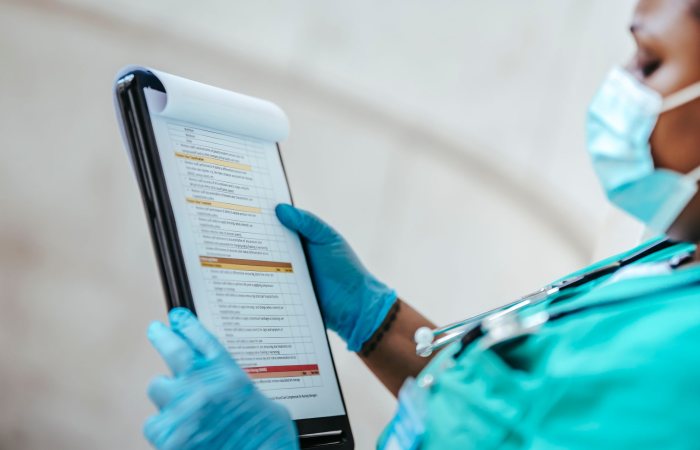
Patients in Bihar have access to various healthcare avenues, ranging from government primary health centres (PHCs) to private nursing homes and non-profit community health drives. Understanding the differences helps families make informed choices based on urgency, budget, and required medical expertise.
| Facility Type | Primary Focus | Cost Structure | Best Suited For |
|---|---|---|---|
| Government PHCs & District Hospitals | Basic primary care, immunisation, maternal health, government schemes. | Free or minimal government-regulated fees. | Routine check-ups, basic emergencies, government scheme beneficiaries. |
| Community / Trust-Run Clinics | Subsidised general consultations, basic diagnostics, health camps. | Highly subsidised or nominal charges. | Students, daily wage earners, non-emergency primary health issues. |
| Private Multi-Specialty Hospitals | Advanced surgeries, specialized intensive care (ICU), super-specialty consultations. | Standard to high market rates. | Complex diagnoses, major surgical interventions, specialized medical care. |
Essential Patient Checklist for Clinic Visits
Preparing thoroughly before visiting any health clinic or diagnostic centre streamlines consultations and prevents unnecessary repeat visits. Use this checklist during your next appointment:
- Medical History File: Compile previous prescription slips, lab test reports, discharge summaries, and ongoing medication details in chronological order.
- Symptom Diary: Write down primary symptoms, when they started, their severity, and any factors that relieve or worsen them.
- Identification & Scheme Cards: Carry valid identification documents alongside relevant healthcare welfare cards (such as Ayushman Bharat PM-JAY cards) if applicable.
- Question List: Draft clear questions regarding dosage instructions, potential medication side effects, dietary restrictions, and follow-up timelines.
Recognising Medical Red Flags and Seeking Immediate Care
While low-cost medical centres and primary healthcare units offer valuable support for routine illnesses, certain health conditions demand urgent tertiary care or dedicated emergency room intervention. Delays in seeking advanced medical care for acute conditions can lead to severe health complications.
When to Go Straight to an Emergency Department
Seek immediate treatment at a fully equipped emergency hospital if a patient displays any of the following warning signs:
- Chest Pain or Pressure: Sudden, severe chest discomfort extending to the arm, neck, or jaw, accompanied by sweating or shortness of breath.
- Neurological Signs: Sudden weakness or numbness on one side of the body, difficulty speaking, confusion, or sudden vision loss.
- Severe Respiratory Distress: Extreme shortness of breath, rapid breathing, or blue discoloration of the lips and fingernails.
- Uncontrolled Bleeding or Major Trauma: Severe external bleeding, deep lacerations, suspected fractures, or head injuries following an accident.
- High Persistent Fever with Altered Consciousness: Severe fever accompanied by neck stiffness, persistent vomiting, or extreme lethargy, particularly in young children or elderly individuals.
Primary care facilities serve to evaluate, treat minor ailments, and stabilize patients; however, critical care requires advanced life-support systems, intensive care units (ICUs), and specialist teams on standby.
Navigating Prescriptions and Generic Medicines Safely
A central pillar of affordable healthcare initiatives involves prescribing affordable, high-quality generic medications. Generic medicines contain the same active pharmaceutical ingredients as brand-name drugs and meet identical regulatory quality standards when produced by compliant manufacturers.
Best Practices for Medication Management
To ensure safe medication practices when receiving care from budget-friendly healthcare facilities:
- Confirm Active Ingredients: Ask the consulting doctor or pharmacist to explain the generic name of the prescribed medicine.
- Verify Storage Requirements: Certain medications, such as insulin or specific liquid suspensions, require strict refrigeration. Always check storage instructions printed on the packaging.
- Avoid Self-Medication: Never buy antibiotics, steroids, or strong painkillers over the counter without a clear prescription from a qualified healthcare practitioner. Misuse of antibiotics contributes significantly to drug-resistant infections.
- Report Adverse Effects: If you experience unexpected side effects, rash, or allergic reactions after starting a new medication, inform your doctor promptly.
Conclusion: Making Informed Decisions for Family Health
Community-led medical initiatives play a crucial role in widening access to essential diagnostics and doctor consultations. Whether you plan to visit the khan sir hospital upon its complete launch or seek immediate care at an established municipal hospital, taking an active, informed role in your healthcare decisions is essential. Always prioritize doctor qualification transparency, proper clinical hygiene, and timely referrals for complex medical conditions.
By maintaining organised personal health records, understanding treatment options, and knowing when emergency tertiary care is required, patients can navigate local healthcare options safely while protecting both their family’s health and financial well-being.
Frequently Asked Questions (FAQs)
What services are generally available at community health centres?
Community health centres typically offer primary care consultations, general health screenings, basic diagnostic services (such as blood glucose, complete blood counts, and basic X-rays), and preventive health guidance. They focus on non-emergent conditions and routine medical advice.
How can I verify if a doctor is properly qualified?
In India, you can verify a physician’s qualifications by checking their registration details on the official website of the National Medical Commission (NMC) or respective State Medical Councils. Registered practitioners display their registration numbers on official prescription pads.
Are generic medicines as effective as branded medicines?
Yes. Generic medicines contain identical active ingredients in the same dosage form and strength as their branded counterparts. They undergo rigorous testing to ensure bioequivalence, therapeutic safety, and clinical efficacy, making them a cost-effective option for managing acute and chronic health conditions.
What should I bring to my first appointment at a new clinic?
Bring your government identification, any active health insurance or welfare scheme documentation, a complete history of past prescriptions, recent diagnostic test results, and a written list of current symptoms and questions for the doctor.
Related Guides
Explore more useful resources related to this topic: