
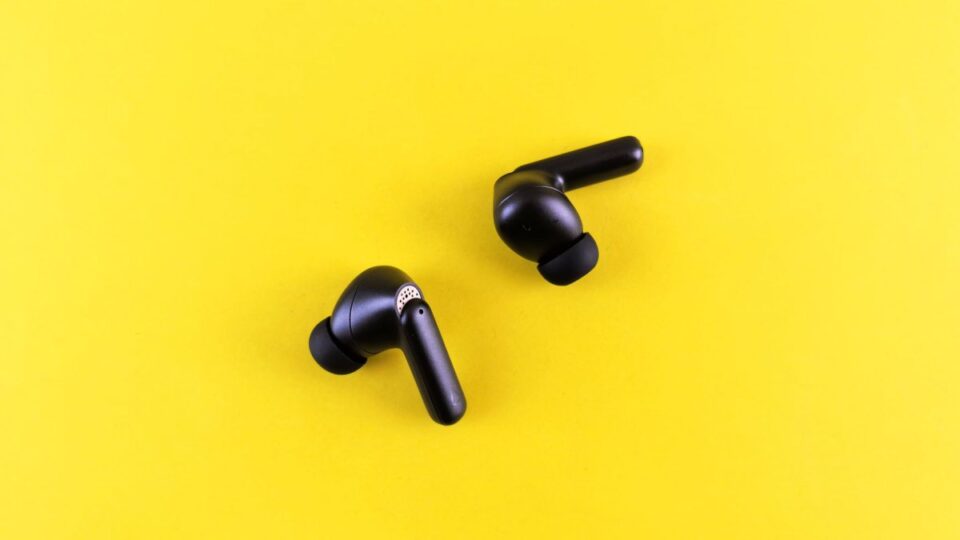
Hearing loss rarely happens all at once. For most adults, it begins as a quiet shift: turning up the television volume by a few notches, asking family members to repeat themselves during dinner, or struggling to follow a conversation in a noisy restaurant. In India, where multi-generational households and lively social gatherings are part of daily life, unaddressed hearing challenges can slowly isolate individuals from the people and activities they love. Age-related changes, long-term exposure to urban noise, and untreated middle-ear conditions affect millions, yet many hesitate to seek help because of outdated perceptions of hearing aids as bulky, whistling plastic devices.
Fortunately, audiological technology has undergone a profound transformation. Today’s hearing instruments are discreet micro-computers capable of separating human speech from background clutter in real time. For anyone exploring contemporary options, looking into modern digital platforms such as hearzap smart hearin technologies offers an accessible path toward better hearing. Understanding how modern sound processing works, what features truly matter, and how professional fitting transforms the listening experience helps families make confident, informed choices for long-term ear health.
Table of Contents
How Modern Digital Hearing Technology Works
To appreciate how far hearing technology has come, it helps to understand what older generation devices did. Traditional analog hearing aids acted like simple microphones connected to amplifiers—they turned up the volume on everything equally. While that made soft sounds audible, it also turned everyday noises like passing traffic, clattering dishes, or roaring ceiling fans into an overwhelming wall of sound.
Modern digital devices work entirely differently. They rely on advanced microprocessors running signal-processing algorithms that analyze incoming sound hundreds of times per second. Instead of blanket amplification, these instruments break acoustic data into distinct frequency channels, allowing them to treat speech and noise as completely different categories of sound.
Digital Signal Processing and Speech Enhancement
At the center of digital sound processing is sound categorization. When acoustic waves enter the miniature microphones on a device, they are immediately converted into digital code. The internal processor analyzes the environment to determine whether sound is coming from a quiet living room, a windy park, or a crowded market.
Frequencies where a person’s audiogram shows hearing loss receive precise, calculated amplification. Meanwhile, frequencies where hearing remains intact are allowed to pass through naturally. Advanced directional microphones prioritize sound coming from directly in front of the wearer while dampening ambient noise behind them. The result is clearer speech comprehension without the auditory fatigue that used to accompany wearing older devices.
Wireless Streaming and Smartphone Control
Another major leap forward is the integration of low-energy Bluetooth. Modern hearing instruments stream audio directly from smartphones, smart televisions, and tablets. Phone calls, video chats, music, and GPS directions route straight into the wearer’s ears with crisp digital clarity, eliminating the echo and feedback caused by holding a phone against an earpiece.
Through dedicated mobile applications, users can discretely tweak their listening experience on the fly. Whether boosting treble clarity during a lecture, lowering background rumble on a train, or saving custom profiles for favorite settings, control rests entirely in the palm of your hand.
Navigating the Hearzap Smart Hearin Ecosystem

Choosing the right hearing device requires balancing clinical hearing needs with personal lifestyle preferences. Investigating hearzap smart hearin solutions gives users access to a structured framework that combines diagnostic care with modern hearing hardware across various price points and performance tiers.
The Importance of a Professional Audiological Evaluation
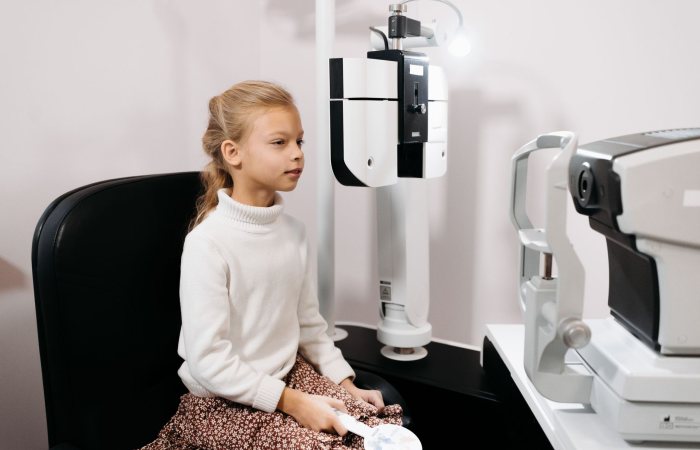
A hearing aid is only as good as the diagnostic evaluation behind its programming. Buying generic sound amplifiers off the shelf often leads to frustration because non-customized amplification cannot address specific patterns of hearing loss. A proper hearing evaluation begins inside a sound-treated acoustic booth with a certified audiologist.
The diagnostic process typically includes pure-tone audiometry to determine threshold levels across different frequencies (pitch) and speech recognition testing to assess how well the brain interprets words at comfortable listening volumes. The resulting audiogram serves as the digital template used to program a hearing aid. Integrated platforms link digital consultation booking with physical clinic networks across India, allowing patients to complete thorough evaluations, test modern devices during clinical trials, and receive ongoing adjustments over time.
Understanding Hearing Device Styles
Modern digital instruments come in several distinct form factors. Selecting the right style depends on the severity of hearing loss, the physical shape of the ear canal, and personal preferences regarding visibility and finger dexterity:
- Receiver-in-Canal (RIC): The most popular modern design. A tiny housing sits comfortably behind the upper ear, connected by an almost invisible wire to a miniature speaker placed inside the ear canal. RIC devices offer exceptional sound quality, natural ventilation, and discreet aesthetics suitable for mild to severe hearing loss.
- Behind-the-Ear (BTE): Slightly larger and robust, BTE devices house all electronic components in a casing behind the ear, delivering sound into the canal via a custom ear mold or flexible tubing. They provide maximum amplification power and long battery life, making them ideal for severe to profound hearing loss.
- In-the-Canal (ITC) and Completely-in-Canal (CIC): Custom-molded to fit partially or deeply inside the ear canal, these devices are virtually invisible to observers. While aesthetically discreet, their compact size means smaller batteries and fewer physical control buttons, making them best suited for mild to moderate hearing loss.
Comparing Traditional and Smart Hearing Devices
Comparing traditional analog amplification with modern digital platforms highlights how far acoustic technology has advanced in terms of clarity, convenience, and daily comfort.
| Feature Category | Traditional Analog Devices | Smart Digital Systems |
|---|---|---|
| Sound Processing | Uniform amplification across all sound frequencies | Multi-channel digital processing with real-time speech isolation |
| Environmental Adaptation | Manual volume wheel adjustments required | Automatic scene detection and ambient sound reduction |
| Connectivity | None; limited to physical neck-loops or external adapters | Direct Bluetooth streaming for calls, TV audio, and phone apps |
| Power Systems | Disposable zinc-air button batteries changed frequently | Rechargeable lithium-ion options with compact portable docks |
| Care & Adjustments | Requires in-person physical adjustments for all changes | Tele-audiology support for remote fine-tuning via mobile apps |
A Practical Guide to Choosing Your Hearing Solution
Selecting a hearing aid is a personal journey that takes time. To find an option that blends naturally into your everyday routine, follow this step-by-step decision framework:
- Get a Clinical Diagnostic Baseline: Schedule a comprehensive diagnostic hearing assessment with a qualified audiologist. Knowing whether your hearing loss is sensorineural, conductive, or mixed ensures you receive the correct clinical treatment.
- Map Out Your Acoustic Needs: Consider where you spend most of your time. If your daily life involves quiet home environments and small conversations, an entry-level digital device may be sufficient. If you regularly attend social gatherings, travel, or work in noisy offices, higher-tier processing with directional noise suppression will be essential.
- Select Power and Ergonomic Features: Decide between rechargeable devices and traditional replacement batteries. Rechargeable lithium-ion models are convenient for those who prefer to dock their devices overnight without handling tiny button batteries.
- Commit to the Adaptation Period: Hearing loss usually develops slowly, and the brain takes time to adapt when missing frequencies return. Expect an initial trial period of several weeks during which your audiologist fine-tunes sound levels as your brain adjusts to environmental sounds again.
Daily Care and Maintenance Guidelines
Digital hearing instruments are sophisticated electronic devices worn directly against the body. Everyday exposure to skin oils, earwax, and moisture can impact sound quality if proper care routines are neglected.
Routine Cleaning Habits
At the end of every day, wipe down the exterior casing of your hearing devices with a dry, soft microfiber cloth. Never use tap water, rubbing alcohol, or liquid detergents, as chemical cleaners degrade protective nano-coatings and damage sensitive micro-microphones.
Managing Humidity and Moisture
Humidity poses a constant threat to electronic components, particularly during India’s monsoon months or hot summer days. Storing your hearing aids in a dedicated drying capsule or electronic dehumidifying case overnight removes trapped sweat and condensation. If using devices with disposable battery doors, leave the compartments open at night to allow air circulation and conserve battery power.
Earwax Prevention and Wax Guard Changes
Earwax buildup is the leading cause of muffled sound or sudden audio failure in receiver-in-canal instruments. Inspect the tiny wax guard filter located at the speaker tip weekly. Replace the filter immediately whenever you notice wax accumulation or a drop in output volume. Establishing consistent maintenance routines for your hearzap smart hearin equipment protects your investment and ensures crystal-clear performance day after day.
Frequently Asked Questions
How long do modern smart hearing aids usually last?
With consistent daily care, regular cleaning, and periodic professional servicing, high-quality digital hearing aids typically last between three and five years. Changes in a user’s hearing prescription or natural wear and tear on micro-components usually determine when an upgrade is helpful.
Can smart hearing instruments fully restore natural hearing?
While digital hearing aids dramatically improve speech clarity, environmental awareness, and listening comfort, they cannot heal damaged hair cells in the inner ear or restore biological hearing to normal. Instead, they optimize remaining auditory function so the brain can process sound efficiently.
Are hearzap smart hearin devices easy for older adults to manage?
Yes. Although smart devices include sophisticated digital processing, their daily operation is largely automated. Modern units adapt to changing noise levels automatically without requiring manual adjustments. For seniors who prefer simplicity, devices can be pre-programmed for hassle-free use without needing a smartphone app.
Is a trial period necessary when buying digital hearing aids?
Yes, trial periods are highly recommended. Because the brain requires time to re-acclimate to background sounds it hasn’t processed in years, testing a device in your real-world environments—at home, at work, and outdoors—ensures the fine-tuning matches your daily life.
Medical Safety and Final Recommendations
While modern sound processing opens new doors for personal connection and cognitive vitality, hearing care should always be approached with professional medical oversight. If you experience sudden hearing loss, noticeable differences in hearing ability between your left and right ears, fluid discharge, persistent ear pain, ringing (tinnitus), or dizziness, consult an Ear, Nose, and Throat (ENT) specialist before purchasing any sound amplification device. Treating underlying medical issues first provides a safe, healthy foundation for long-term hearing wellness.
By taking proactive steps to test your hearing and exploring modern tools like hearzap smart hearin technology, you can protect your cognitive health, stay engaged in conversations, and enjoy every moment of daily life with total clarity.
Related Guides
Explore more useful resources related to this topic: