
Accessing reliable tertiary healthcare is a cornerstone of public health, particularly across rapidly developing urban centres in Northern India. Bareilly serves as a pivotal healthcare hub for the Rohilkhand region, drawing patients from adjacent districts such as Pilibhit, Badaun, Shahjahanpur, and parts of Southern Uttarakhand. Within this regional ecosystem, multispecialty institutions such as vedanta hospital bareilly play a crucial role in delivering specialised diagnostic, surgical, and therapeutic services to the local community.
When faced with acute medical needs or chronic health conditions, patients and their families often must navigate complex choices regarding clinical care, admission procedures, and treatment quality. This educational guide provides an objective overview of the healthcare infrastructure represented by regional facilities, offering practical insights on patient readiness, department evaluation, and essential considerations for safe medical management.
Table of Contents
Overview of Regional Healthcare Facilities in Bareilly
The healthcare landscape in Bareilly has expanded significantly over recent decades. Historically dependent on state-run medical colleges and distant metro-city hospitals in Delhi or Lucknow, local residents now have access to a broader spectrum of private multispecialty centres. Facilities in the city aim to bridge the gap between primary healthcare centres and quaternary care institutes by housing critical clinical disciplines under a single roof.
When considering vedanta hospital bareilly or similar local facilities, understanding the structure of regional hospital systems helps families make informed decisions. Regional multispecialty institutions typically feature dedicated emergency units, intensive care capability, inpatient wards, outpatient clinics, and advanced imaging suites. For patients living outside major metropolitan zones, having local access to advanced surgical care and routine medical management drastically reduces travel burden and delays in emergency intervention.
Core Clinical Specialties and Hospital Services

Multispecialty hospitals are designed to address diverse health concerns across various life stages. While exact clinical offerings may vary based on attending staff and sub-specialty availability, prominent regional hospitals generally focus on several primary disciplines:
1. Emergency and Critical Care Medicine
Emergency departments handle acute trauma, sudden cardiac symptoms, severe infections, and respiratory distress. High-quality tertiary facilities maintain dedicated Intensive Care Units (ICUs) equipped with mechanical ventilators, continuous hemodynamic monitoring, and round-the-clock medical personnel. Timely triage and stabilisation in these units are vital before definitive treatments can begin.
2. Internal Medicine and Sub-Specialties
Internal medicine physicians serve as the first point of contact for complex, non-surgical conditions. Sub-specialty departments often support these doctors:
- Cardiology: Focused on managing hypertension, ischemic heart disease, heart failure, and diagnostic evaluation like electrocardiograms and echocardiography.
- Gastroenterology: Managing digestive disorders, liver health, and performing diagnostic endoscopies.
- Nephrology: Providing care for acute kidney injury, chronic renal conditions, and dialysis support.
- Pulmonology: Addressing chronic obstructive pulmonary disease (COPD), asthma, severe lung infections, and sleep disorders.
3. Surgical Specialties and Orthopaedics
Modern surgical departments emphasise minimally invasive techniques wherever appropriate, which may lead to shortened hospital stays and faster post-operative recovery. General surgery, trauma management, orthopaedics (including joint management and fracture repairs), and urological procedures form the backbone of hospital surgical workflows.
4. Maternal and Child Health
Obstetrics and gynaecology services support prenatal care, routine and high-risk deliveries, and general gynaecological health. Paediatric departments provide specialised care for neonates, infants, and adolescents, ensuring that young patients receive age-appropriate clinical intervention.
Evaluating Hospital Quality and Infrastructure
Choosing a healthcare facility for planned procedures or ongoing chronic conditions requires careful evaluation of safety, administrative transparency, and clinical standards. Whether researching vedanta hospital bareilly or another healthcare provider in Uttar Pradesh, patients and caregivers can use the following decision framework to assess facility readiness:
| Evaluation Criterion | What to Look For | Clinical and Practical Relevance |
|---|---|---|
| Regulatory Accreditations | NABH (National Accreditation Board for Hospitals) or NABL (for laboratories) status. | Indicates compliance with standardised infection control, patient safety protocols, and operational benchmarks. |
| Critical Care Support | Ratio of ICU beds, availability of dedicated intensivists, and 24/7 blood bank linkages. | Crucial for managing high-risk surgical cases, sudden patient deterioration, and complex emergencies. |
| Diagnostic Capability | On-site pathology lab, digital X-ray, CT scanning, and ultrasound availability. | Ensures rapid diagnostic turnaround times, reducing delay in initiating target therapy. |
| Insurance Empanelment | Tie-ups with Third-Party Administrators (TPAs), private insurers, and government schemes. | Facilitates cashless treatment options and transparent financial processing during admission. |
| Infection Control Practices | Visible hygiene standards, sterile central supplies, and strict visitor policies. | Reduces the risk of hospital-acquired infections, particularly during prolonged stays. |
Patient Readiness Checklist: Preparing for a Hospital Visit
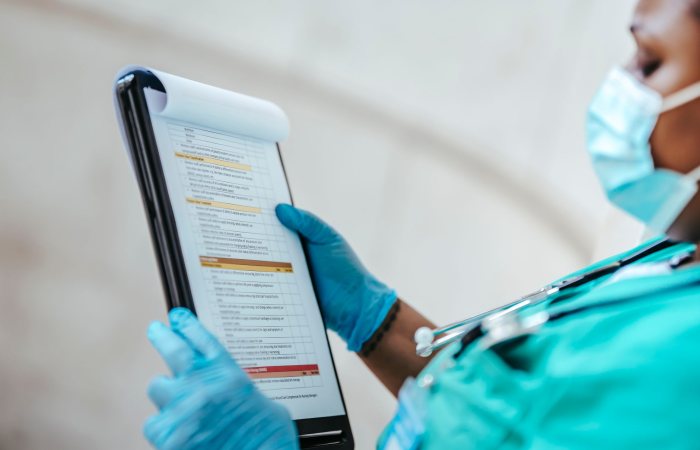
A well-prepared patient or caregiver can substantially improve the efficiency of a consultation or hospital admission. Keeping records organized ensures that medical teams have an accurate picture of past medical history, avoiding duplicate investigations or adverse drug interactions.
Documentation to Gather Prior to Your Appointment
- Medical History Summaries: Compile previous discharge summaries, operative reports, and recent hospitalisation records.
- Diagnostic Test Results: Bring recent blood reports, imaging films (X-rays, MRI, CT scans), and ECG reports arranged chronologically.
- Current Prescription List: Maintain a clear, written list of all active medications, including brand names, exact dosages, and dosing schedules. Include dietary supplements or herbal products.
- Allergy Profile: Clearly note known allergies to medications (such as penicillin or non-steroidal anti-inflammatory drugs), food items, or latex.
- Identification and Coverage Documents: Carry government-issued identity cards, health insurance policy documents, TPA card details, or relevant government health scheme documentation.
Questions to Ask Your Treating Physician
During your consultation, clear communication helps set realistic expectations and fosters shared decision-making. Consider discussing the following with your doctor:
- What is the primary working diagnosis, and are further diagnostic tests necessary to confirm it?
- What are the established treatment options, including medical management versus surgical intervention?
- What are the expected outcomes, common side effects, and potential risks associated with the recommended treatment?
- How long is the anticipated recovery period, and what lifestyle or dietary modifications are required?
- What warning signs should prompt immediate medical contact or an emergency room visit?
Emergency Care: Recognising Red Flag Symptoms
While outpatient clinics are appropriate for chronic symptom management and routine check-ups, certain clinical scenarios demand immediate emergency medical attention. Patients should proceed straight to an acute care facility or emergency room if any of the following symptoms occur:
- Sudden, severe chest pain or pressure spreading to the neck, jaw, shoulder, or arm.
- Unexplained difficulty breathing, severe shortness of breath, or sudden wheezing.
- Sudden weakness, numbness, or paralysis on one side of the face or body.
- Slurred speech, sudden loss of vision, or acute confusion.
- Severe, unmanageable abdominal pain accompanied by persistent vomiting or fever.
- High fever accompanied by a rigid neck, altered consciousness, or a spreading rash.
- Major traumatic injuries, deep wounds, or uncontrolled bleeding.
In any life-threatening emergency, call local emergency medical services or proceed immediately to the nearest accessible emergency department. Do not delay seeking emergency care for severe or rapidly worsening symptoms.
Frequently Asked Questions
How should I prepare for a planned inpatient admission?
For a scheduled admission, follow all pre-procedure instructions provided by your doctor, such as fasting guidelines (NPO status) prior to surgery. Pack personal hygiene items, loose-fitting clothing, necessary identity documents, insurance cards, and past medical records. Avoid bringing valuable items, extra cash, or jewellery to the hospital ward.
How can I confirm if a hospital accepts my health insurance?
Contact the hospital’s Help Desk or dedicated Insurance / TPA cell prior to admission. Provide your insurer’s details and policy number to check whether cashless processing is available or if treatment will require a pay-and-reimburse workflow. Always clarify which expenses (such as administrative fees or consumable items) may fall outside policy coverage.
What is the difference between an Outpatient Department (OPD) and Emergency Care?
The Outpatient Department (OPD) is designed for non-urgent consultations, follow-up visits, routine health check-ups, and managing stable chronic health conditions by appointment. Emergency Care operates 24/7 to triage, stabilise, and manage acute, life-threatening conditions or sudden severe injuries that require immediate clinical intervention.
Final Considerations for Patients and Families
Navigating tertiary healthcare services effectively relies on clear communication, thorough preparation, and realistic expectations. Selecting a hospital equipped to handle specific health requirements is essential for smooth care delivery. Whether evaluating options at regional centres or navigating your care at vedanta hospital bareilly, maintaining comprehensive health records, asking informed questions, and adhering to professional medical advice will help ensure safe, quality-focused care for you and your family.
Related Guides
Explore more useful resources related to this topic: