

Table of Contents
Introduction to Tertiary Healthcare Navigation
Navigating a large multi-specialty tertiary care centre can feel overwhelming, particularly when dealing with complex health conditions or urgent medical requirements. For patients and families seeking care at ganga ram hospital in New Delhi, understanding how the institution operates, what clinical services are offered, and how to plan a visit can significantly reduce stress and improve the overall healthcare experience.
Sir Ganga Ram Hospital is a premier multi-specialty tertiary care hospital established in Delhi, known for providing comprehensive healthcare services across various medical and surgical disciplines. Whether attending a routine outpatient consultation, undergoing diagnostic testing, or preparing for an inpatient admission, having clear, structured information enables patients and caregivers to make well-informed healthcare decisions.
Key Clinical Specialties and Departments
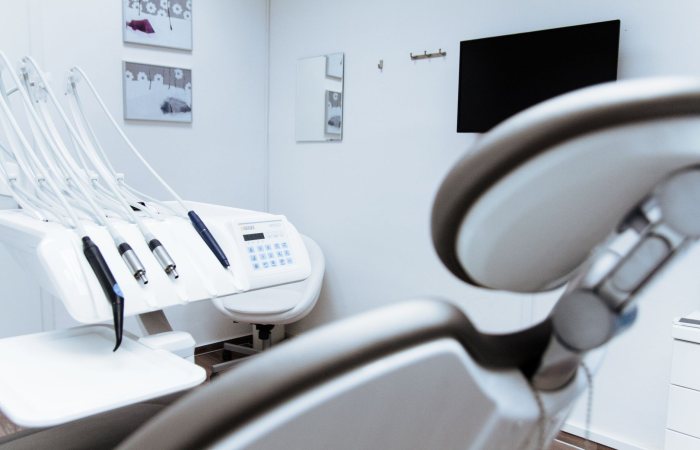
Tertiary care hospitals house specialized departments equipped to manage both common health concerns and highly intricate medical cases. Understanding the scope of these departments helps ensure you consult the appropriate clinical specialist for your specific health needs.
Cardiology and Cardiovascular Surgery
The cardiac department focuses on the prevention, diagnosis, and medical management of heart disorders, including coronary artery disease, heart failure, arrhythmias, and hypertension. Surgical teams perform complex interventions such as coronary artery bypass grafting, valve repairs, and congenital heart disease corrections. Diagnostic tools like echocardiography, coronary angiography, and stress testing form the backbone of cardiac evaluation.
Gastroenterology and Hepatology
Specialists in gastroenterology and hepatology manage diseases affecting the digestive tract, liver, pancreas, and biliary system. Common conditions evaluated include chronic liver disease, inflammatory bowel disease, acid peptic disorders, and gastrointestinal malignancies. Diagnostic and therapeutic endoscopy procedures allow clinicians to visualize internal structures and perform targeted interventions non-invasively.
Nephrology and Urology
Nephrology services deal with kidney disorders, chronic kidney disease management, dialysis support, and kidney transplantation workups. Complementing this, urology departments handle surgical conditions of the urinary tract and male reproductive system, including kidney stone disease, prostate enlargement, and reconstructive urological procedures.
Oncology and Hematology
Comprehensive cancer care units integrate medical oncology, surgical oncology, and radiation therapy. Treatment plans are generally formulated through multidisciplinary tumor boards, bringing together surgical specialists, medical oncologists, radiologists, and pathologists to tailor interventions based on evidence-based protocols.
Orthopaedics and Joint Replacement
Orthopaedic departments cater to musculoskeletal trauma, degenerative joint diseases, sports injuries, and spinal disorders. Advanced procedures range from arthroscopic minimal-access surgeries to complex primary and revision joint replacement operations for knees and hips.
Neurology and Neurosurgery
Neurological care spans the treatment of stroke, epilepsy, movement disorders like Parkinson’s disease, and neuromuscular conditions. The neurosurgical division handles complex brain and spinal cord operations, including tumor resections, trauma management, and vascular neurosurgery.
Outpatient Services and Appointment Planning
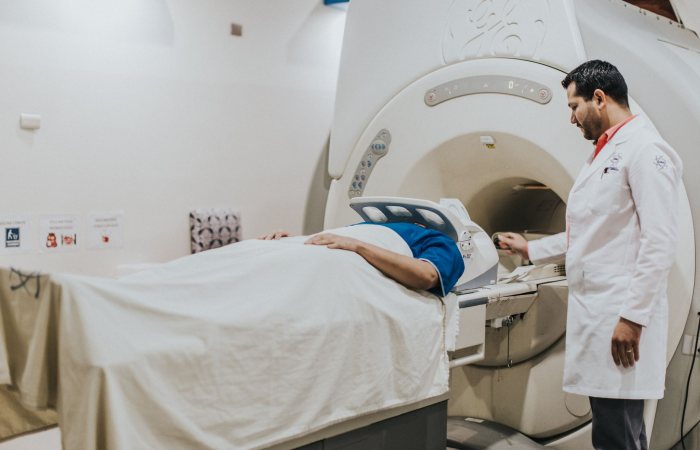
Outpatient consultations serve as the initial point of contact for most non-emergency medical evaluations. Preparing thoroughly for an outpatient department appointment ensures a productive discussion with your consulting physician.
Preparing for Your OPD Visit
When attending a specialist consultation within ganga ram hospital, organizing medical records in chronological order is essential. Having past test reports readily available prevents unnecessary duplication of diagnostic investigations and aids the specialist in understanding your disease trajectory.
- Medical Summary: Write down a brief timeline of your main symptoms, when they started, and what factors worsen or relieve them.
- Previous Investigations: Bring physical copies or clear digital files of recent blood tests, imaging reports (X-rays, MRI, CT scans), and pathology slides if applicable.
- Medication List: Maintain an accurate record of all current prescription medications, over-the-counter supplements, and dosages currently being taken.
- Allergy History: Note down known drug, food, or environmental allergies to inform prescribing choices safely.
Consultation Etiquette and Asking the Right Questions
During your consultation, concise communication allows the clinician to perform a focused clinical examination and outline an effective management plan. Consider asking structured questions, such as:
- What is the preliminary diagnosis or differential diagnosis for my symptoms?
- Are further diagnostic tests required to confirm this condition?
- What are the conservative, medical, or surgical treatment options available?
- What lifestyle or dietary adjustments should be implemented alongside medical therapy?
- What specific warning signs or symptoms require immediate emergency care?
Emergency Care and Triage Systems

Emergency medical departments operate around the clock to evaluate and stabilize patients presenting with acute illnesses or severe traumatic injuries. Understanding emergency room triage helps set realistic expectations during urgent visits.
Upon arrival at emergency services, clinical staff perform an immediate assessment known as triage. Patients are prioritized based on medical severity rather than arrival time:
- Category 1 (Immediate Threat to Life): Conditions such as cardiac arrest, major trauma, severe acute respiratory distress, or severe anaphylaxis receive immediate, uninterrupted resuscitation.
- Category 2 (Urgent/Potentially Life-Threatening): Symptoms such as acute chest pain, suspected stroke, severe abdominal pain, high fever with altered mental status, or major bone fractures receive prompt medical evaluation.
- Category 3 (Non-Urgent / Low Acuity): Minor cuts, mild fever without systemic collapse, chronic joint aches, or minor sprains are evaluated after critical patients have been stabilized.
If you or a family member experience symptoms such as sudden weakness or numbness on one side of the body, severe crushing chest pressure, sudden severe breathlessness, loss of consciousness, or intractable bleeding, seek emergency medical attention immediately.
Inpatient Admission and Diagnostic Support
For medical conditions requiring close monitoring, intravenous therapy, or surgical intervention, inpatient admission becomes necessary. Admission workflows may be elective (planned in advance) or emergency-driven.
Planned Admission Workflows
When scheduled for a procedure or elective surgery, pre-admission assessments are conducted to evaluate physiological fitness for anaesthesia and surgery. This process often includes basic blood profiles, electrocardiography (ECG), chest imaging, and an evaluation by an anaesthesiologist.
Diagnostic Radiology and Pathology
Accurate diagnostic services underpin effective medical care. Advanced radiology departments utilize high-resolution magnetic resonance imaging (MRI), computed tomography (CT), ultrasound, and digital radiography. Pathology laboratories perform routine haematology, biochemical testing, histopathology, and specialized molecular diagnostics to guide treatment decisions.
Overview of Departmental Services and Considerations
The table below summarizes common clinical service divisions within ganga ram hospital alongside primary patient considerations when accessing these services.
| Service Area | Primary Focus | Key Patient Preparation |
|---|---|---|
| Outpatient Department (OPD) | Specialist consultations, follow-ups, and routine health evaluations. | Bring past medical records, organized prescription lists, and a symptom diary. |
| Emergency & Casualty | 24/7 care for acute, severe, or life-threatening medical conditions. | Carry emergency identification, major medical summaries, and blood group details. |
| Inpatient Wards / ICU | Close monitoring, post-operative care, and intensive medical management. | Verify attendant policies, pack minimal personal essentials, and clarify advance directives. |
| Diagnostic Imaging & Labs | Radiological imaging, routine blood work, and advanced pathology. | Follow fasting or preparation instructions specific to tests (e.g., ultrasound, MRI). |
| Day Care Units | Procedures requiring short stays, such as chemotherapy or renal dialysis. | Arrange pre-authorized paperwork and reliable post-procedure transportation. |
Caregiver Guidance and Patient Rights
Caregivers play an indispensable role in patient advocacy, emotional support, and practical coordination during hospital stays. Establishing clear communication channels with the treating medical team ensures smooth care transitions from hospital to home.
Tips for Effective Patient Advocacy
Designate one primary family member to communicate with the medical team. This minimizes mixed messaging and ensures that updates regarding medical decisions, consent forms, and discharge instructions are conveyed accurately to the entire family.
Discharge Planning and Home Care Continuity
Discharge planning begins prior to the patient leaving the hospital ward. Before returning home, caregivers should ensure they clearly understand:
- Medication Schedules: The exact timing, dosage, and duration for each prescribed medication, highlighting any changes made from pre-admission drugs.
- Wound and Drain Care: Clear demonstration of how to clean dressings, inspect surgical sites, or manage catheters if present.
- Follow-Up Appointments: Scheduled dates for clinical review, suture removal, or repeat diagnostic imaging.
- Red-Flag Symptoms: Specific parameters (e.g., fever above a certain threshold, sudden wound swelling, persistent vomiting) that necessitate an immediate return to the hospital.
Practical Considerations for Visiting Ganga Ram Hospital
When planning a visit to ganga ram hospital, practical logistics can help streamline your experience. Tertiary hospitals in metropolitan cities usually experience high patient volumes, making early planning beneficial.
- Timing: Arriving early for OPD appointments accounts for registration procedures, security checks, and parking navigation.
- Documentation: Keep government-issued identification cards and insurance documents readily accessible for smooth registration and third-party administration processing.
- Mobility Support: Wheelchair support and assistance services are typically available at major entrances for elderly patients or individuals with restricted mobility.
Frequently Asked Questions
What should I do if I need an urgent consultation outside OPD hours?
If you experience acute or worsening symptoms outside regular outpatient hours, report directly to the emergency department. Clinical staff in casualty assess urgent conditions 24 hours a day and contact on-call medical specialists when required.
How should I prepare for diagnostic blood tests or imaging scans?
Preparation requirements depend on the specific test. Abdominal ultrasounds and fasting blood sugar tests usually require 8 to 12 hours of overnight fasting. Contrast-enhanced CT or MRI scans may require kidney function tests (such as serum creatinine) prior to the procedure. Always review test instructions with the laboratory or radiology staff beforehand.
Can I request a second medical opinion for a complex diagnosis?
Yes. Seeking a second opinion is a standard and respected practice in medical care, particularly for major surgical procedures, oncological treatments, or rare disorders. Request a complete copy of your medical summaries, diagnostic scans, and pathology reports from your treating centre to present to another specialist for evaluation.
What is the role of a pre-anaesthesia check-up (PAC) before surgery?
A pre-anaesthesia check-up evaluates your overall cardiopulmonary fitness and medical history prior to undergoing surgery. The anaesthesiologist assesses airways, reviews existing health conditions (such as diabetes or hypertension), adjusts routine medications, and explains the type of anaesthesia to be administered for safety during the procedure.
Conclusion and General Health Advisory
Navigating tertiary care facilities effectively relies on clear communication, organized documentation, and a practical understanding of hospital workflows. Whether accessing specialized clinical care, diagnostic workups, or emergency support at ganga ram hospital, proper preparation helps ensure that care proceeds efficiently and safely.
Disclaimer: This article is strictly for educational and informational purposes and does not constitute formal medical advice, diagnosis, or treatment recommendations. Hospital administrative policies, departmental workflows, and clinical services may change over time. Always consult an appropriately qualified healthcare professional directly regarding specific health concerns, diagnosis, or treatment plans. Never delay seeking professional medical advice or emergency medical care based on information published online.
Related Guides
Explore more useful resources related to this topic:
- Madhavi Latha Hospital Anantapur: Comprehensive Guide to Local Medical Services and Healthcare Decisions
- A Comprehensive Guide to Vedanta Hospital Bareilly
- Understanding Domain Authority: How to Use a DA PA Checker for Health Blogs
- Smart Travel for Wellness: How to Plan Restorative Trips and Save on Flights