

Table of Contents
Understanding Healthcare Options in Anantapur
Finding dependable medical care is one of the most vital needs for families living in and around Anantapur, Andhra Pradesh. As urban hubs throughout the Rayalaseema region grow, the local demand for responsive, high-quality medical services has expanded significantly. Regional clinics and community hospitals form the frontline of this health network, providing everything from day-to-day general consultations and preventative screenings to maternal healthcare and routine surgical interventions.
When selecting a care provider, residents must balance several practical elements: clinician experience, facility sanitation, diagnostic turnaround times, and overall emergency preparedness. For many local families, establishing a relationship with a familiar facility like madhavi latha hospital anantapur offers a realistic way to manage ongoing medical needs close to home. Having access to trusted nearby care removes the physical weariness and financial burden of traveling to larger metropolitan centres like Bengaluru, Kurnool, or Tirupati for standard clinical evaluations.
Evaluating Services at Madhavi Latha Hospital Anantapur
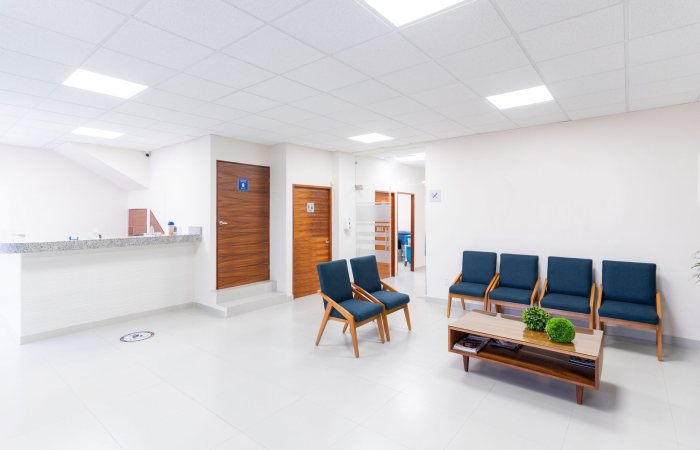
Community healthcare institutions often serve as the primary entry point for acute seasonal illnesses, chronic condition management, and essential wellness evaluations. For patients considering madhavi latha hospital anantapur, having a clear picture of the hospital’s clinical offerings makes it much easier to schedule consultations and plan appropriate long-term care.
Facilities serving mid-sized cities usually center their capabilities around foundational medical departments. These primary disciplines typically cover:
- Obstetrics and Gynaecology: Focused care for women across all life stages, including complete antenatal supervision, high-risk pregnancy screening, assisted deliveries, and general gynaecological health checks.
- General Medicine: Diagnostic workups and medical management for broad systemic health issues, common viral infections, seasonal fevers, and chronic metabolic conditions such as Type 2 diabetes and hypertension.
- Pediatric Support: Essential healthcare for infants, young children, and adolescents, covering developmental assessments, routine wellness checks, and basic childhood illness management.
- Minor Surgery and Urgent Care: Immediate attention for minor trauma, laceration dressings, simple outpatient procedures, and acute stabilization prior to tertiary referral if higher-level intensive care is required.
Evaluating any healthcare facility near you requires looking past casual local word-of-mouth. Take the time to verify doctor qualifications, inspect the overall hygiene standards of reception areas and patient wards, and confirm that essential diagnostic support—such as blood testing and basic ultrasound imaging—is readily available on site.
Key Factors in Selecting the Right Medical Centre in Anantapur

Deciding where to receive medical care directly impacts your family’s long-term health outcomes. While geographic convenience is always a major factor, several structural benchmarks should guide your selection when choosing between facilities in the area.
1. Medical Credentials and Consultant Availability
Always verify that attending doctors hold recognized medical degrees (such as MBBS, DGO, or MD) and maintain valid registrations with state or national medical councils. If your family requires targeted care, such as specialized gynaecological management, confirm whether the hospital maintains resident specialists or relies on visiting consultants who are only present on specific days.
2. Laboratory and Diagnostic Capabilities
Effective medical treatment depends on accurate diagnostic reports. Medical centres that feature an integrated laboratory significantly streamline your visit by eliminating the need to take samples to third-party diagnostic centres. Essential basic services to look for include complete blood counts (CBC), blood glucose tracking, liver and kidney function panels, and basic diagnostic imaging like X-rays and ultrasound scans.
3. Emergency Responsiveness and Referral Systems
Acute health emergencies can develop without warning. Confirm whether your chosen medical center keeps basic emergency supplies on hand, such as continuous oxygen support, emergency resuscitation equipment, and round-the-clock nursing staff. Additionally, check if the hospital maintains a clear ambulance transfer protocol to move critically ill patients to tertiary trauma centers when advanced life support becomes necessary.
4. Transparency in Billing and Administration
Clear, straightforward communication regarding outpatient registration fees, lab test pricing, procedure costs, and daily bed rates helps prevent unexpected financial stress during medical visits. It is always wise to ask the administrative counter about accepted payment methods and inquire whether the facility participates in government healthcare programs or specific private health insurance networks.
Structured Comparison for Healthcare Decision-Making

When deciding whether a local nursing home or a larger regional institution best suits your immediate needs, structured planning helps streamline your choices. The comparative reference table below outlines standard clinical requirements across common patient scenarios.
| Care Category | Primary Clinical Goal | Essential Facility Requirements | Recommended Patient Action |
|---|---|---|---|
| Emergency Care | Immediate medical stabilization and pain relief | 24/7 casualty availability, oxygen supply, basic emergency drugs, rapid transfer protocols | Proceed immediately to the nearest equipped emergency department without waiting |
| Maternal & Routine Care | Continuous maternal tracking and safe delivery planning | Qualified obstetrician, ultrasound imaging, sterile delivery room, basic neonatal care | Maintain a consistent schedule of antenatal appointments and keep medical records organized |
| Specialist Consultations | Targeted management of specific or recurring ailments | Experienced medical specialists, precise lab testing, individualized treatment plans | Book appointments early and compile all historical medical records prior to the visit |
| Diagnostic Screenings | Early detection of metabolic, systemic, or structural issues | Calibrated lab machinery, qualified laboratory technicians, timely report delivery | Follow all pre-test guidelines carefully, such as overnight fasting for blood sugar tests |
Essential Patient Checklist Before Visiting the Hospital
Proper preparation before leaving home helps clinic staff manage your registration smoothly and ensures your doctor has all necessary context. If you plan to attend an outpatient appointment at madhavi latha hospital anantapur, organizing your documentation beforehand saves valuable time.
Documents and Health Records to Bring
- Government Identification: Bring a valid government-issued photo ID (such as an Aadhaar card or driving licence) for accurate registration and hospital record matching.
- Historical Medical Files: Gather past prescription slips, lab test results, imaging reports (ultrasound or X-ray films), and discharge summaries from previous hospital stays.
- Current Medication Inventory: Make a complete list or bring the actual packaging of all current prescription drugs, daily supplements, and over-the-counter medications you take.
- Insurance Details: Keep your health insurance policy card, digital member ID, and claim pre-authorization forms easily accessible if you plan to claim reimbursement.
Questions to Ask Your Attending Doctor
To get the clearest possible understanding of your condition during a consultation, consider asking your physician these practical questions:
- What is the probable cause underlying my current symptoms?
- Are additional laboratory tests or diagnostic scans required to confirm this diagnosis?
- What are the primary benefits, potential side effects, and risks associated with the prescribed medication or procedure?
- How long should I follow this current treatment plan before coming back for a follow-up assessment?
- Are there specific dietary changes or physical activity adjustments that will support my recovery?
Navigating Women’s Health and Maternal Care
Maternal healthcare forms a core part of community health services throughout Anantapur district. For women seeking gynaecological guidance or routine antenatal care, having access to a clinical environment that prioritizes compassionate, evidence-based care is essential for long-term health.
Standard maternal care is divided into structured milestones across pregnancy:
- First Trimester Monitoring: Early confirmation of pregnancy via ultrasound, baseline maternal blood work, screening for nutritional deficiencies, and starting early iron and folic acid supplementation.
- Routine Second & Third Trimester Checks: Regular monitoring of maternal blood pressure, routine weight checks, blood glucose tracking (to screen for gestational diabetes), and ongoing fetal growth evaluations.
- Delivery Preparation: Detailed birth planning discussions, clinical evaluation of vaginal delivery versus caesarean section indications, and preparation for postpartum care.
- Postnatal Support: Scheduled follow-up visits to track maternal recovery, assess surgical wound healing if applicable, provide lactation guidance, and start childhood immunization schedules.
It is important for expectant mothers to discuss any existing health conditions—such as thyroid disorders, chronic high blood pressure, or complications in previous pregnancies—with their doctor during early antenatal visits.
Recognizing Red Flag Symptoms for Emergency Care
While routine health matters can be addressed through regular outpatient appointments, acute medical symptoms require immediate clinical evaluation. Delaying care during a true medical emergency can lead to avoidable complications.
You should seek emergency medical care immediately if you or someone in your care experiences:
- Sudden, severe chest pain, heavy chest pressure, or pain radiating into the left arm, neck, or jaw.
- Acute shortness of breath or persistent difficulty catching your breath while resting.
- Sudden onset of facial drooping, arm weakness, or slurred speech.
- Severe, sudden abdominal or pelvic pain, particularly during pregnancy.
- A high fever accompanied by severe neck stiffness, persistent confusion, or non-stop vomiting.
- Uncontrolled bleeding from an injury or unexpected heavy internal bleeding.
In any of these circumstances, arrange immediate transport to the nearest properly equipped hospital emergency room rather than waiting for regular clinic hours.
Frequently Asked Questions (FAQs)
1. What clinical services are available at madhavi latha hospital anantapur?
At madhavi latha hospital anantapur, patients can access outpatient consultations for general medicine, obstetrics, gynaecology, and pediatric care. The hospital typically supports routine laboratory testing, basic ultrasound imaging, minor surgical consultations, and basic urgent care stabilization.
2. How should I prepare for a first visit to a local healthcare center in Anantapur?
Plan to arrive slightly ahead of your scheduled time to complete basic registration. Bring a valid photo ID, any recent laboratory or scan reports, past doctor prescriptions, and a written summary of your main symptoms to help your doctor review your case efficiently.
3. What steps should I take if a required specialized procedure is unavailable locally?
If your doctor recommends a complex procedure or specialized intensive care that local facilities cannot provide, request a formal referral summary. Ensure you obtain physical copies of all diagnostic reports, blood test results, and clinical notes before transferring to a higher-level tertiary center.
4. How can I confirm doctor consultation hours before visiting?
It is best to contact the facility’s reception desk directly before traveling. Outpatient consulting hours can shift depending on emergency calls, ongoing surgeries, or hospital ward rounds.
Final Considerations for Patients in Anantapur
Managing family health effectively comes down to clear communication with your medical team, proactive record-keeping, and seeking care at the right time. Community health centers like madhavi latha hospital anantapur play a vital role in providing accessible diagnostic, general medical, and maternal care to the local community. By organizing your medical history, asking detailed questions during appointments, and recognizing urgent symptoms early, you can make informed healthcare decisions for your entire household.
Related Guides
Explore more useful resources related to this topic: