

Table of Contents
Understanding Psychosocial Development Throughout Life
Human growth is far more complex than simple physical maturation or cognitive milestones. From the moment we enter the world to our final years, our emotional landscape undergoes continuous transformation. We form bonds, test boundaries, question our identity, build careers, and eventually reflect on the lives we have led. To make sense of this intricate journey, German-American psychoanalyst Erik Erikson proposed a sweeping framework in the mid-twentieth century that remains one of the most respected frameworks in modern psychology. By examining the erikson stages of development, we gain a practical lens through which to understand how social relationships and cultural expectations shape human identity across every chapter of life.
Unlike many of his contemporaries who viewed personality as a fixed trait locked in during early childhood, Erikson recognized that identity evolves over a lifetime. His model breaks human life down into eight distinct phases, each defined by a central psychological tension or crisis. These crises are not catastrophic events; rather, they represent critical turning points where individual desires collide with societal expectations. Resolving these tensions enables individuals to acquire vital emotional strengths, which Erikson described as basic virtues. When these turning points are met with harsh environments or lack of support, however, individuals may struggle with lingering feelings of insecurity, isolation, or regret.
The Core Concepts Behind Psychosocial Theory
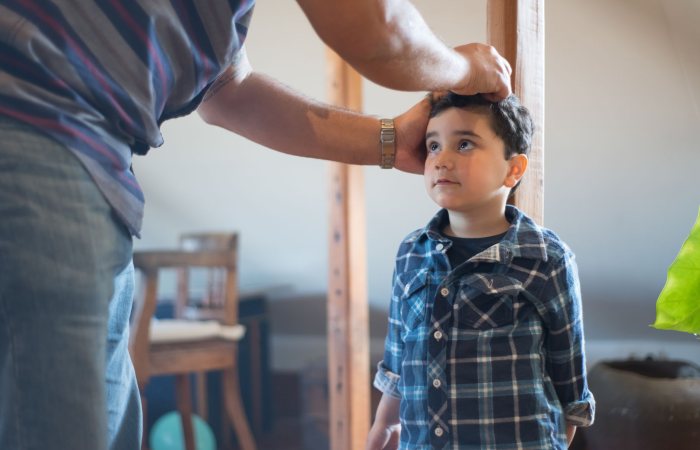
To fully appreciate how personality unfolds, it helps to look at the foundational principles that govern Erikson’s work. Grounded in both psychoanalysis and cultural anthropology, his perspective shifted the focus of developmental psychology away from purely biological instincts and toward social forces. When analyzing the erikson stages of development, three core concepts form the backbone of the framework:
- The Epigenetic Principle: Borrowed from biology, this concept suggests that personality develops according to a predetermined, sequential blueprint. Each stage emerges at a specific time, building directly upon the resolutions—or unresolved conflicts—of the stages before it.
- Psychosocial Crises: At every stage, a person must reconcile opposing emotional forces. One force points toward positive ego integration, while the other represents a potential emotional setback. Healthy development does not mean avoiding negative experiences altogether; instead, it requires finding a functional balance heavily weighted toward the constructive outcome.
- Lifelong Potential for Growth: Personality is not set in stone by age five or six. Adulthood and old age present their own meaningful developmental tasks, proving that human beings possess the capacity for change and identity refinement at any age.
Childhood and Adolescent Milestones in the Erikson Stages of Development

The early decades of life represent a period of extraordinary vulnerability and rapid change. During these formative years, the foundations of trust, self-reliance, and self-worth are established through interactions with parents, teachers, and peers.
Stage 1: Trust vs. Mistrust (Infancy: Birth to 18 Months)
During the first year and a half of life, an infant depends entirely on external caregivers for survival, comfort, and safety. When caregivers respond consistently to an infant’s cries with warmth, food, and emotional warmth, the child learns that the world is stable and trustworthy. This fundamental security allows the infant to feel safe even in unfamiliar surroundings. Conversely, inconsistent, distant, or neglectful care can cause infants to perceive the world as unpredictable and hostile, breeding long-term anxiety and suspicion. The core virtue forged during this fragile period is hope—a lasting belief that desires can be fulfilled despite temporary setbacks.
Stage 2: Autonomy vs. Shame and Doubt (Early Childhood: 18 Months to 3 Years)
As toddlers gain physical coordination, they begin exploring their environment and exercising personal choice. Simple decisions—such as picking out clothes, selecting a toy, or learning to use the toilet—become major battlegrounds for independence. When parents encourage self-directed behavior while providing a safe boundary, toddlers build self-confidence. If adults are overly punitive, overly critical, or excessively controlling, children begin to feel inadequate, leading to persistent self-doubt and shame regarding their abilities. Successfully navigating this period produces the virtue of will, characterized by determination and self-control.
Stage 3: Initiative vs. Guilt (Preschool Years: 3 to 5 Years)
During the preschool years, children take a more active role in directing play, inventing games, and starting social interactions. This stage marks an intentional expansion into the surrounding social world. When caregivers support a child’s natural curiosity and imaginative projects, the child learns to take constructive action and lead others. However, if adults dismiss play as silly, interrupt creative efforts constantly, or punish budding independence as problematic behavior, the child may develop an overbearing sense of guilt over their natural impulses. The developmental reward of this phase is purpose—the capacity to set and pursue meaningful goals.
Stage 4: Industry vs. Inferiority (School Age: 6 to 12 Years)
Entering elementary school introduces children to a broader world governed by structured rules, academic standards, and complex peer dynamics. Children strive to master culturally valued skills, whether in reading, mathematics, athletics, or artistic expression. Encouragement from teachers, mentors, and family fosters a strong sense of pride and practical accomplishment. On the other hand, repeated academic failure, harsh social comparison, or lack of support can leave a child feeling inferior and uncapable relative to their peers. Balancing these demands creates the virtue of competence, an enduring faith in one’s capacity to complete challenging tasks.
Stage 5: Identity vs. Role Confusion (Adolescence: 12 to 18 Years)
Adolescence brings sweeping physical alterations, cognitive shifts, and rising independence. Teenagers naturally ask fundamental questions: “Who am I?” and “Where do I fit into society?” Exploring personal values, political beliefs, vocational paths, and social groups is a crucial part of this transition. Those who are allowed to explore different roles arrive at a firm, authentic sense of identity. Those forced into rigid roles by parents, or those overwhelmed by social pressures, may experience severe role confusion, feeling aimless or insecure about their future. The primary virtue gained here is fidelity, marked by the ability to remain true to oneself while committing to personal values and relationships.
Adulthood and Later Life Development
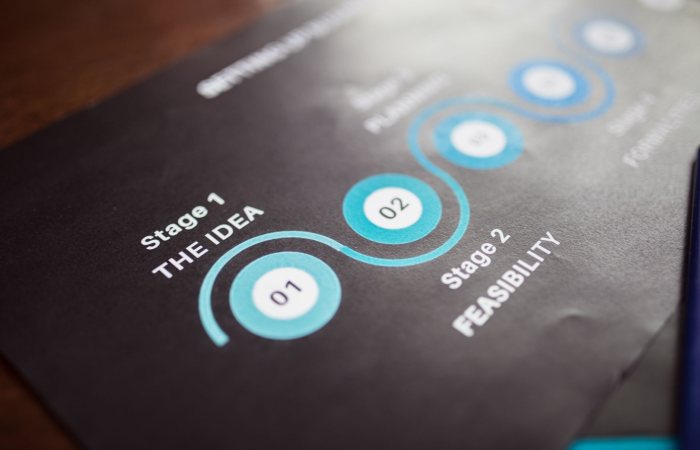
While early theories often stopped at adolescence, the erikson stages of development emphasize that emotional evolution continues long after reaching physical maturity. The challenges of adulthood center around intimate connection, societal contribution, and quiet reflection.
Stage 6: Intimacy vs. Isolation (Young Adulthood: 18 to 40 Years)
Once individuals establish a stable identity, they turn their attention toward forming deep, lasting personal relationships. Young adulthood focuses on building romantic partnerships, deep friendships, and supportive networks. True intimacy requires vulnerability, compromise, and a willingness to merge one’s identity with another without fear of losing oneself. Individuals who struggle with self-worth or fear rejection may retreat into emotional self-defense, leading to profound feelings of loneliness and isolation. The essential virtue developed during young adulthood is love, expressed through mutual devotion and lasting commitment.
Stage 7: Generativity vs. Stagnation (Middle Adulthood: 40 to 65 Years)
During middle age, focus shifts from individual achievements toward broader contributions that outlast the self. Generativity involves raising children, mentoring younger colleagues, engaging in community service, or producing creative work that benefits society. It is defined by a genuine concern for future generations. Conversely, individuals who do not find constructive outlets for their energy may experience stagnation—a state of self-absorbed indifference, lack of growth, and emotional apathy. The virtue cultivated throughout middle adulthood is care, a broad commitment to nurturing the people, ideas, and projects one values.
Stage 8: Ego Integrity vs. Despair (Late Adulthood: 65 Years and Older)
The final phase of life prompts a period of deep introspection. As physical vigor wanes and retirement alters daily routines, older adults look back on the path they have walked. Individuals who view their journey with a sense of completion, despite mistakes and hardships, achieve ego integrity. They accept their life history and come to terms with the inevitability of death. Those who look back with regret, dwelling on missed opportunities or unfulfilled ambitions, may feel overwhelmed by despair and bitterness. The final virtue in this lifelong continuum is wisdom—a thoughtful, detached concern for life itself in the face of death.
Summary Chart of Psychosocial Stages
To help visualize how the erikson stages of development progress across a lifetime, the chart below outlines the key ages, underlying conflicts, core virtues, and central developmental goals associated with each phase:
| Stage and Age Range | Psychosocial Crisis | Basic Virtue | Core Developmental Task |
|---|---|---|---|
| Infancy (0–18 months) | Trust vs. Mistrust | Hope | Developing trust in caregivers and the surrounding world |
| Early Childhood (1.5–3 years) | Autonomy vs. Shame & Doubt | Will | Building self-reliance and basic physical control |
| Preschool (3–5 years) | Initiative vs. Guilt | Purpose | Asserting agency through social play and structured tasks |
| School Age (6–12 years) | Industry vs. Inferiority | Competence | Mastering social, academic, and practical skills |
| Adolescence (12–18 years) | Identity vs. Role Confusion | Fidelity | Forming a stable personal identity and system of values |
| Young Adulthood (18–40 years) | Intimacy vs. Isolation | Love | Establishing meaningful, vulnerable, and enduring bonds |
| Middle Adulthood (40–65 years) | Generativity vs. Stagnation | Care | Contributing to family, career, and future generations |
| Late Adulthood (65+ years) | Ego Integrity vs. Despair | Wisdom | Reflecting on life choices with acceptance and peace |
Applying Psychosocial Insights to Daily Wellbeing
Understanding these eight developmental phases is not just an academic exercise; it offers practical tools for personal self-discovery and stronger interpersonal relationships. Applying the insights of the erikson stages of development to everyday life can enhance emotional intelligence and personal growth:
- Revisiting Past Challenges: Recognizing where early emotional needs were unmet—such as a lack of encouragement during school years—can help adults understand current insecurities or relationship patterns.
- Practicing Self-Compassion: Developmental growth is rarely perfectly linear. Realizing that personality remains adaptable throughout life allows individuals to work through unresolved issues without shame.
- Guiding Children and Youth: Parents and educators can tailor their encouragement to match a child’s current stage, supporting autonomy in toddlers and self-directed identity exploration in teenagers.
- Cultivating Purpose in Midlife: Adults struggling with feelings of stagnation can seek out mentoring roles, volunteer opportunities, or creative hobbies that foster a sense of contribution.
Theoretical Limitations and Practical Considerations
While Erikson’s framework remains highly influential, modern psychological science acknowledges clear limitations. First, the original theory was formulated in a specific mid-twentieth-century Western context. Cultural variations heavily influence developmental timelines; collectivist cultures, for instance, may prioritize community harmony over individual autonomy or identity exploration.
Additionally, critics point out that life trajectories are rarely as orderly or age-bound as the model implies. Career changes, divorce, trauma, and societal shifts mean people often revisit questions of identity, intimacy, and purpose multiple times. Rather than treating these stages as rigid rules, it is best to view them as a flexible narrative tool for understanding life transitions.
When to Seek Professional Support
Reflecting on developmental stages can highlight personal strengths and lingering emotional wounds, but self-examination has its limits. If past trauma, severe role confusion, or deep despair interferes with your ability to manage daily life, self-help strategies may not be enough. Consulting a licensed mental health professional can provide a safe space to process unresolved psychological conflicts.
Therapy offers tailored interventions for individuals navigating major life transitions, identity struggles, or persistent grief. If you or someone you care about experiences severe emotional distress, overwhelming anxiety, or hopeless thoughts, reaching out to a therapist, clinical counselor, or psychiatrist is a crucial step toward healing and resilience.
Frequently Asked Questions
Can unresolved stages be resolved later in life?
Yes. Human beings retain the capacity for emotional growth at every age. While early unresolved conflicts can make future stages more challenging, personal reflection, healthy relationships, supportive life changes, and professional therapy allow individuals to work through past issues and build confidence within the framework of the erikson stages of development.
Why is an identity crisis so common during adolescence?
Adolescence involves rapid biological changes, cognitive shifts, and changing social expectations. Teenagers are tasked with separating their identity from their parents while planning for adulthood, which creates natural emotional tension as they test different roles and values.
How does Erikson’s framework differ from Freud’s psychosexual stages?
While Freud focused heavily on unconscious biological drives and psychosexual stages during early childhood, Erikson emphasized the role of social relationships, environment, and culture. Furthermore, Erikson extended his stages across the entire lifespan, whereas Freud believed personality was largely set by early childhood.
Conclusion
The erikson stages of development offer a compassionate, comprehensive model for viewing human growth across a lifespan. By showing us that every age brings its own unique psychological challenges and potential strengths, Erikson reminds us that personal development is a lifelong process. Embracing these milestones helps us cultivate empathy for ourselves and others as we navigate the continually unfolding journey of life.
Related Guides
Explore more useful resources related to this topic: