

Table of Contents
Understanding Personality Disorders and Popular Terminology
In discussions around mental health, criminality, and interpersonal relationships, the terms sociopath and psychopath are frequently used interchangeably. However, in modern psychological literature, neither term exists as a formal diagnostic category. Instead, both fall under the clinical spectrum of Antisocial Personality Disorder (ASPD).
When examining the debate on sociopath vs psychopath traits, it becomes clear that while both share core features—such as a disregard for societal norms, a lack of empathy, and impulsive actions—their underlying causes, emotional expressions, and social behaviours differ significantly. Understanding these nuances helps clear up common misconceptions and offers valuable perspective for managing high-conflict individuals safely.
The Clinical Reality: Antisocial Personality Disorder (ASPD)

Mental health diagnostic manuals, such as the Diagnostic and Statistical Manual of Mental Disorders (DSM-5) and the International Classification of Diseases (ICD-11), do not officially diagnose individuals as sociopaths or psychopaths. Clinicians assess individuals using criteria for ASPD, a personality disorder characterised by an enduring pattern of disregard for, and violation of, the rights of others.
Why Professionals Avoid the Labels
Psychologists and psychiatrists generally prefer ASPD because it focuses on measurable behaviours rather than stigmatising labels. However, researchers frequently use psychopathy and sociopathy as subcategories or specifiers within personality research to distinguish between specific trait profiles.
Understanding the sociopath vs psychopath framework helps highlight whether harmful behavioural patterns stem primarily from genetic and neurological factors or environmental conditioning and early life trauma.
Core Differences: Sociopathy versus Psychopathy
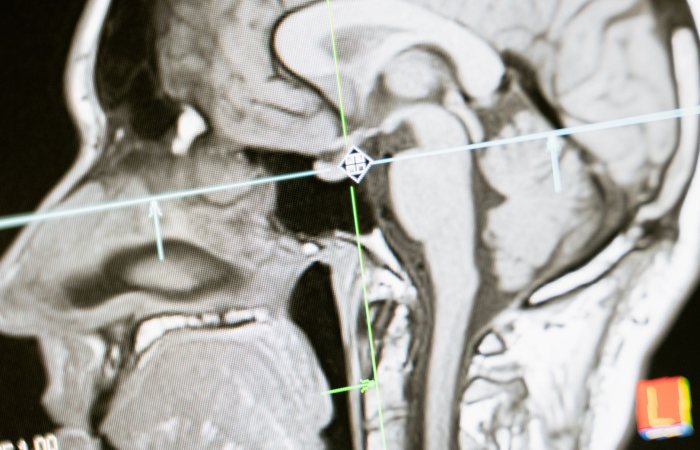
Although both profiles involve a disregard for the rights and feelings of others, their emotional processing, ability to maintain social relationships, and behavioral control differ markedly.
1. Origins and Causes
Psychopathy is widely considered to have a strong biological component. Research suggests that individuals with psychopathic traits often display distinct differences in brain chemistry and structure, particularly in areas responsible for emotional regulation, fear response, and impulse control, such as the amygdala. These individuals are born with a genetic predisposition that shapes their temperament.
Sociopathy, by contrast, is predominantly linked to environmental factors. It is frequently viewed as a reaction to severe developmental trauma, physical or emotional abuse, chronic neglect, or extreme environmental instability during childhood. While genetic predispositions may play a secondary role, sociopathy is largely moulded by external life experiences.
2. Emotional Expression and Empathy
Empathy and emotional engagement represent major points of divergence when evaluating sociopath vs psychopath characteristics:
- Psychopaths: Experience a severe, intrinsic incapacity for empathy, guilt, or remorse. They do not feel genuine fear or stress in situations that typically evoke anxiety in others. However, they are often skilled at mimicking human emotions, allowing them to appear charm, polished, and entirely normal on the surface.
- Sociopaths: May possess a limited capacity for empathy or emotional attachment. They are sometimes able to form genuine bonds with a select few individuals, such as a family member or partner, while remaining indifferent or hostile toward society at large. Their emotional responses are typically volatile, leading to frequent outbursts of anger, anxiety, or frustration.
3. Social Integration and Behavioural Control
Another meaningful distinction lies in how these individuals navigate daily life and social structures.
Psychopaths are typically calculated, methodical, and highly controlled. They can maintain steady employment, hold respected positions in organisations, and build long-term relationships without revealing their true intentions. When they engage in harmful or illegal acts, they plan meticulously to minimise risk and avoid detection.
Sociopaths tend to be more erratic, impulsive, and unstructured. They often struggle to maintain consistent employment, fulfill social responsibilities, or keep long-term housing. Their aggressive or deceitful actions are usually unplanned and driven by immediate emotional agitation, making their behaviour easier for others to identify quickly.
Sociopath vs Psychopath Traits at a Glance

To better understand how these two profiles compare across key psychological dimensions, consider the breakdown below:
| Feature | Sociopathic Traits | Psychopathic Traits |
|---|---|---|
| Primary Origin | Environmental trauma, abuse, severe neglect | Genetics, neurodevelopmental differences |
| Emotional Control | Low; prone to violent emotional outbursts | High; calm, calculated, detached |
| Empathy Level | Limited; may feel attachment to select individuals | Absent; completely unable to experience empathy |
| Social Presentation | Erratic, visibly unadjusted, struggle to fit in | Charming, polished, highly adaptable facade |
| Planning & Risk | Impulsive, haphazard, high risk of getting caught | Methodical, deliberate, minimizes personal risk |
| Relationships | Difficulties maintaining long-term bonds | Forms superficial or opportunistic relationships |
Recognising Red Flags and Protecting Yourself
When assessing a sociopath vs psychopath dynamic in real life, focusing on specific labels is less important than recognizing harmful behaviours and protecting your emotional and physical safety. Repeated patterns of manipulation, deceit, or total lack of accountability are serious red flags in any personal or professional relationship.
Common Warning Signs in Relationships
- Pathological Lying: Frequently fabricating stories without remorse, even when confronted with undeniable proof.
- Gaslighting and Manipulation: Distorting facts to make others question their memory, perception, or sanity.
- Lack of Guilt or Regret: Refusing to apologise genuinely or showing complete indifference after causing emotional or physical harm.
- Surface Charm: Using excessive compliments or charisma to build unearned trust rapidly.
- Shifting Responsibility: Consistently blaming external circumstances or victims for their own mistakes or harmful actions.
A Practical Boundaries Framework
If you suspect you are interacting with someone exhibiting severe antisocial or manipulative traits, maintaining physical and emotional safety requires clear action steps:
- Establish Strict Limits: Clearly define what behaviour you will accept and enforce those boundaries immediately without debate.
- Adopt the Low-Contact Method: Minimise communication to necessary topics only. Keep conversations concise, neutral, and factual.
- Avoid Emotional Engagement: Manipulative individuals often exploit emotional reactions. Responding with calm detachment reduces their ability to manipulate the situation.
- Document Important Interactions: In workplace or legal settings, keep written records of communications, commitments, and agreements.
- Build a Support Network: Connect with trusted friends, colleagues, or professionals to maintain perspective and emotional stability.
When to Seek Professional Guidance
It is important to remember that diagnosing personality disorders requires extensive evaluation by a licensed mental health professional, such as a clinical psychologist or psychiatrist. Attempting to diagnose a family member, partner, or colleague based solely on observed behaviour can lead to misunderstandings and heightened conflict.
If you are experiencing emotional distress, manipulation, or fear within a relationship, consult a qualified mental health practitioner or counsellor. They can offer safe strategies tailored to your situation. If you or someone you know is in immediate physical danger, contact emergency services or a local support crisis line right away.
Frequently Asked Questions
Can a sociopath or psychopath be cured?
Personality disorders are long-term structural patterns of thought and behaviour rather than temporary illnesses. While ASPD cannot be cured in the traditional sense, specialized psychological interventions—such as Cognitive Behavioural Therapy (CBT)—can help some individuals manage aggressive impulses and adopt more prosocial behaviours, particularly when treatment begins early.
Is psychopathy passed down through families?
Research suggests that genetic factors contribute significantly to psychopathic traits. However, genetics alone do not guarantee that an individual will develop psychopathy; environmental influences, brain development, and social factors also play crucial roles.
How do mental health professionals evaluate ASPD?
Clinicians use comprehensive diagnostic evaluations, clinical interviews, historical records, and standardised assessment tools—such as the Hare Psychopathy Checklist-Revised (PCLR)—to assess personality traits, behavioural history, and social functioning before making a formal diagnosis.
Conclusion
While popular media often treats sociopathy and psychopathy as identical concepts, understanding the distinctions provides valuable insight into human psychology. Psychopathy stems largely from neurological and genetic factors, producing calculated and emotionally detached individuals. Sociopathy is more closely connected to developmental trauma, resulting in erratic, impulsive, and volatile behaviour patterns.
Regardless of terminology, prioritizing your personal safety, establishing clear boundaries, and seeking advice from qualified healthcare professionals are the most effective ways to address high-conflict or manipulative behaviour.
Related Guides
Explore more useful resources related to this topic: